

Naviguer dans les changements de la saison des plafonds H-1B pour l'année fiscale 2025
Kris Quadros-Ragar • April 4, 2024

Click here to read this article in English
Les États-Unis ont conclu la phase initiale d'enregistrement pour la saison de plafonnement H-1B de l'année fiscale 2025, qui se terminera le 25 mars 2024 à midi, heure de l'Est, après une prolongation de trois jours.
Selon un communiqué des services américains de citoyenneté et d'immigration (USCIS), l'agence commencera bientôt la sélection aléatoire des bénéficiaires à partir des enregistrements correctement soumis. Ces sélections devraient permettre d'atteindre les allocations numériques pour le plafond H-1B de l'année fiscale 2025, y compris l'exemption du plafond pour les masters. Une fois sélectionnés, les requérants potentiels seront informés de leur éligibilité à déposer une requête H-1B soumise au plafond pour les bénéficiaires choisis.
À compter du 1er avril 2024, l'USCIS a modifié le lieu de dépôt des pétitions H-1B et H-1B1 (HSC) du formulaire I-129. Toutes les demandes sur papier doivent désormais être déposées dans les lockbox de l'USCIS, et non plus dans les centres de service. Cette directive s'applique universellement aux demandes H-1B plafonnées, non plafonnées et exemptées de plafonnement. Les adresses postales spécifiquement désignées pour les dossiers H-1B cap peuvent être consultées sur la page Form I-129 Direct Filing Addresses (Adresses de dépôt direct). L'USCIS a émis un avertissement clair concernant les pétitions reçues dans ses centres de service le ou après le 1er avril 2024. Ces demandes seront rejetées d'emblée, sans aucun délai de grâce.
Parallèlement à ces ajustements procéduraux, l'USCIS a introduit de nouveaux frais et une édition révisée du formulaire I-129, à compter du 1er avril 2024. Dorénavant, les demandes dont le cachet de la poste est daté de cette date ou d'une date ultérieure devront respecter les frais mis à jour et utiliser la dernière édition du formulaire I-129. L'USCIS se référera à la date du cachet de la poste pour déterminer la version correcte du formulaire et les frais applicables.
Si vous envisagez de déposer une demande de visa H-1B ou si vous avez des questions, n'hésitez pas à prendre rendez-vous avec l'un de nos avocats expérimentés. Nous sommes là pour vous aider.
Ce blog n'est pas destiné à fournir des conseils juridiques et rien ici ne doit être interprété comme établissant une relation avocat-client. Veuillez prendre rendez-vous avec un avocat spécialisé en droit de l'immigration avant d'agir sur la base de toute information lue ici.

For many of our clients, premium processing has long felt less like a luxury and more like a necessity. Whether it's an artist with a tour date, a startup founder with investors waiting, or an executive whose H-1B extension is tied to a project deadline, the ability to get a USCIS decision in fifteen business days has been a cornerstone of business and entertainment immigration planning. But 2026 has brought meaningful changes. On March 1, 2026, USCIS implemented a new round of premium processing fee increases under the biennial inflation adjustment authorized by the USCIS Stabilization Act. With fees now climbing across every eligible form, employers, foreign nationals, and their counsel are asking a fair question: at these prices, is premium processing still worth it? The short answer is: often yes but no longer always. Here is what has changed, what hasn't, and how to think strategically about your filings this year. What Premium Processing Actually Buys You Premium processing is an optional, fee-based service that obligates USCIS to take action on a qualifying petition or application within a defined window. "Action" does not necessarily mean approval USCIS may issue an approval, a denial, a Request for Evidence (RFE), a Notice of Intent to Deny, or open an investigation. But it must do something within the guaranteed timeframe, or refund the premium fee. The current adjudication windows are: 15 business days for most Form I-129 nonimmigrant petitions (including H-1B, L-1, O-1, P-1, TN, and E-3) and most Form I-140 employment-based immigrant petitions 45 business days for Form I-140 petitions in the EB-1C (multinational executive/manager) and EB-2 National Interest Waiver (NIW) categories 30 business days for eligible Form I-539 change-of-status applications and Form I-765 applications for F-1 OPT and STEM OPT employment authorization When USCIS issues an RFE, the clock pauses and restarts only when the agency receives the response, a detail that surprises many petitioners and is worth planning around. The 2026 Fee Increases at a Glance The Department of Homeland Security's final rule, published in the Federal Register on January 12, 2026, raised premium processing fees by an average of roughly 5.7 percent based on inflation between June 2023 and June 2025. Any Form I-907 postmarked on or after March 1, 2026, must include the updated fee, or USCIS will reject the filing outright.

Navigating the immigration landscape as a professional athlete can feel as demanding as a championship final, but understanding the P-1A visa can help you to plan ahead and successfully petition USCIS when the time comes to apply. For individual athletes like surfers, Rodeo cowboys, or Brazilian Jiu-Jitsu fighters, the P-1A serves as the primary gateway to competing in the United States. While it is often compared to the O-1 visa, the P-1A has a distinct threshold that is more easily accessible than the O-1; rather than proving "extraordinary ability," you must demonstrate "international recognition". This means your achievements must be renowned or leading in more than one country, showcasing a level of skill that is substantially above the ordinary. For those competing in individual sports, the spotlight is entirely on your personal accolades and standing rather than a team or league’s reputation as in the case of a team sport athlete. You must show that you are personally well-known within your sport across multiple countries, and that the U.S. events you intend to enter typically draw other internationally recognized participants. One of the most significant advantages for the solo competitor is the duration of stay, as individual athletes can often secure a P-1 visa for an initial period of up to five years, which can eventually be extended to a total of ten. This stands in stark contrast to team athletes, who are generally limited to the duration of a specific season or contract with a team. If you are looking to be proactive about your future eligibility, you should treat your career milestones as a collection of evidence for the "Two-Out-of-Seven" rule used by USCIS. To qualify, you must provide evidence satisfying at least two of the following seven criteria: Evidence of having participated to a significant extent in a prior season with a major U.S. sports league. Evidence of participation in an international competition with a national team. Evidence of having participated to a significant extent in a prior season for a U.S. college or university in intercollegiate competition. A written statement from an official of a major U.S. sports league or the governing body of the sport detailing your international recognition. A written statement from a member of the sports media or a recognized expert. Evidence that you or your team is ranked, if the sport has international rankings. Evidence that you or your team has received a significant honor or award in the sport. Building your resume with these specific benchmarks in mind is essential. Here are some suggestions to help an individual sport athlete to meet these criteria and successfully qualify for a P-1A visa: First, you should actively seek opportunities to represent your national team or strive for high international rankings , as these are concrete proof of your standing. If you are working with an immigration attorney, make sure they have a clear understanding of your sport, how its governing body determines rankings, and the significance of your accomplishments- successfully showing USCIS why your rankings or results indicate you are performing at an elite and internationally recognized level is key to a successful outcome. Beyond the trophies, your professional network plays a crucial role ; cultivating relationships with recognized experts or sports media members who can provide written statements will significantly strengthen your future petition. Major media articles that discuss your accomplishments or explain the significance of competitions or rankings you feature in, can also have a strong positive impact on your case. As you prepare, remember that every petition also requires a formal consultation letter from an appropriate labor organization , if one exists that covers your sport. A good immigration attorney will help you to identify the appropriate labor organization and engage with them on your behalf to secure the consultation letter you need. Generally, they will want to see the same evidence that USCIS will be evaluating, and they may need some time to review your petition prior to issuing you a consultation letter. Finally, you will also need a written contract with an employer or agent within the United States, and a detailed itinerary of the events where you will perform . Your immigration attorney can also help you to structure your contract with your agent or employer, and guide you in creating an itinerary based on the events or competitions you will participate in. While every individual sport is different, USCIS will want to see that you have set up a structure that will pay you a living wage to perform your sport, and that you have planned out an itinerary of competitions or events in sufficient detail that covers the entire period of time for which you are requesting the P-1A visa. At Santos Lloyd Law Firm, P.C., we are experienced in helping talented individuals who are accomplished in many different sports to continue their careers here in the United States. If you are such an athlete interested in competing here, please contact us, and we will be happy to discuss your case.
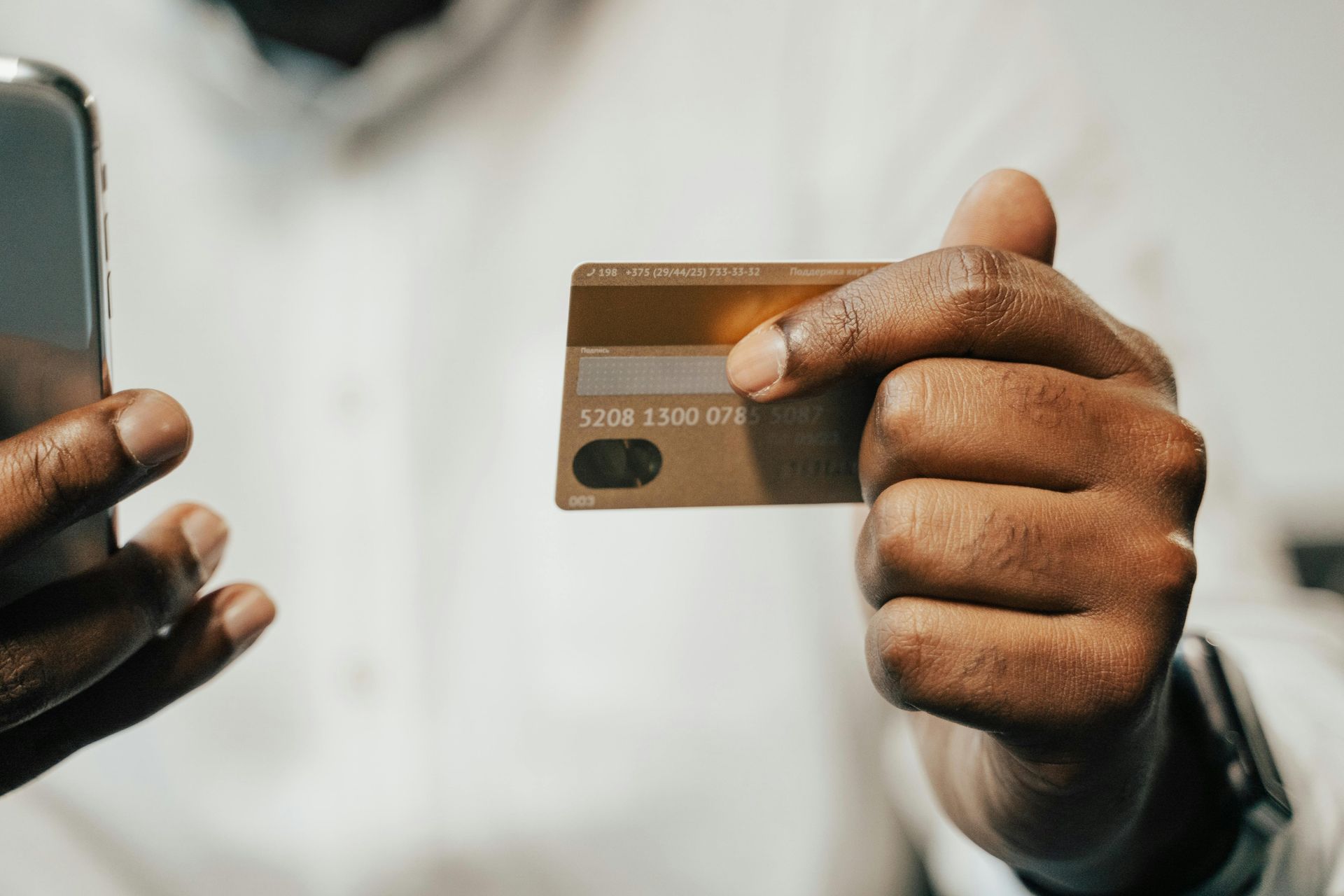
If you have a pending asylum application in the United States, you will now be required to pay an Annual Asylum Fee (AAF) in order to keep your application pending. Understanding this new fee and why it is important could be the difference between maintaining your pending asylum application and facing removal from the country . If your asylum application has been pending for more than one year, you will be required to pay an annual fee of $102 . The good news is that this fee is charged per asylum application, not per person. This means a family applying together on a single Form I-589 will only pay $102 total. However, it is important to know that there are no fee waivers available for this annual payment. It is crucial to take this fee seriously because the consequences for missing your payment are severe . If you receive a notification from USCIS that your fee is due, you will be given exactly 30 days to pay it. If you fail to pay by the deadline, the government may enforce the following penalties: Rejection of your Application: USCIS will reject your pending asylum application. Loss of Work Authorization: Any pending applications for employment authorization (Form I-765) based on your asylum case will be denied. Furthermore, if you already have an approved work permit, you will lose your work authorization immediately. Risk of Deportation: If you do not have an underlying legal status in the U.S., USCIS may initiate your removal (deportation) from the United States. Because of the severe consequences of failure to pay the fee within 30 days, it is vitally important to update your address with USCIS. This ensures you will actually receive the payment notice and can pay it on time without jeopardizing your case. How to Pay: Paying your fee promptly is the best way to protect your asylum status and work authorization. You can easily check if your fee is due and make your payment online by visiting: https://my.uscis.gov/accounts/annual-asylum-fee/start/overview To submit your payment, you will need two important pieces of information: Your A-Number (Alien Registration Number). The receipt number from your asylum application receipt notice. Once you enter this information, you will see a blue “Pay and submit” button. You can pay securely using a credit card, debit card, or a transfer from a U.S. bank account. Always make sure to save a copy of your receipt to ensure you have evidence of payment. Staying informed and keeping up with the Annual Asylum Fee is an essential part of the asylum process in 2026. Watch your mail for notifications, keep your address updated, and pay your fee as soon as it is due to ensure your case stays on track.
