Increase in issuance of EB-1A RFEs

April Perez • January 9, 2026

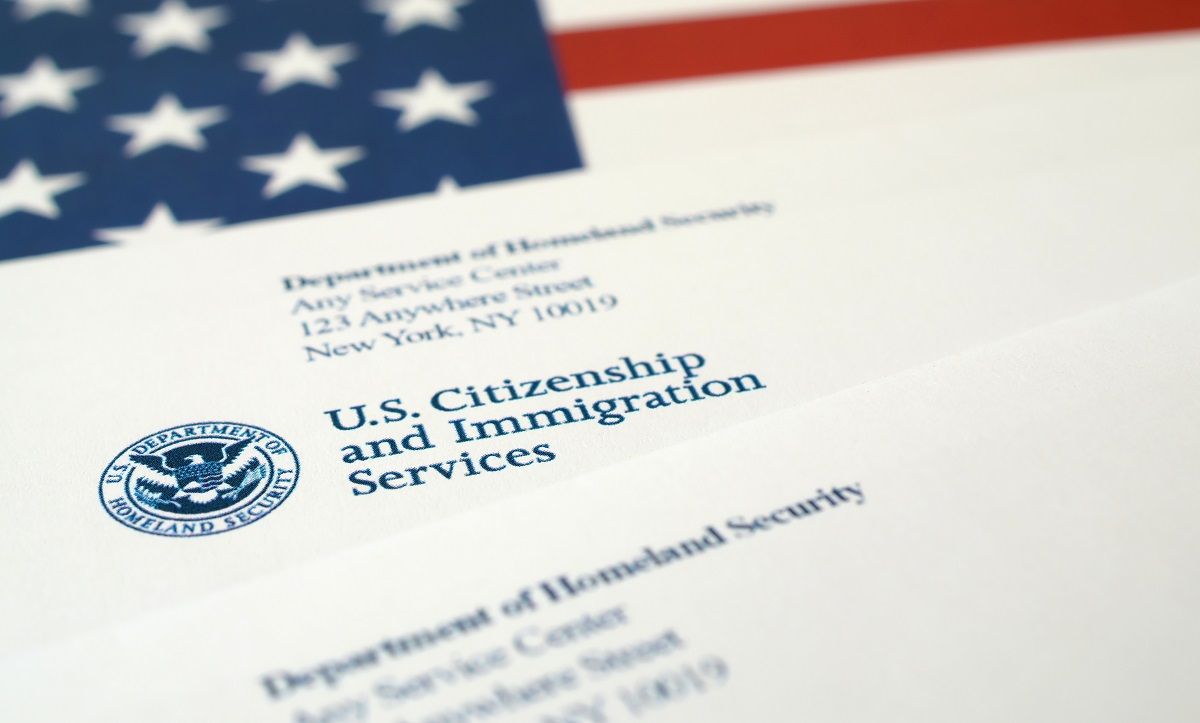
During the recent administration there has been an increase in  issuance of Requests for Evidence for EB-1A petitions for those of Extraordinary Ability. A Request for Evidence is a request that is made by USCIS that should explain how the evidence is deficient in proving the criteria argued and what additional evidence needs to be provided by the applicant to meet the criteria. 


EB-1A petitions are already normally subject to higher scrutiny because their approval is the first step needed to apply for Lawful Permanent Residence or a green card. USCIS normally requires not just evidence but that the evidence be provided with context and information to show why it matters in a particular field. 


For example, if you were providing evidence of your membership in an organization that requires outstanding achievements of its members, just providing evidence of the membership is not enough. You must explain what that membership is and provide background information on the organization granting the membership. You also need to provide evidence on the criteria that is used to select the members, information on those who select the members to show that they are recognized experts, other documentation such as articles about the membership organization to show its importance, and any other relevant evidence and background information to show that the criteria is met. 


A request for evidence being issued prior to the current administration was not uncommon, but in the current climate it is more surprising to not receive a request for evidence for this type of case. It is important to remember that a request for evidence is not a denial. Depending on the validity of the information in the request and the substance some Requests for Evidence can be overcome, and the case be approved. It is important to carefully review the request and note if there are any errors in the content and application of the regulations by USCIS. 


If you have an attorney, you should work with them and make sure that you provide any evidence you think may be helpful. Although there is a deadline by which a response must be submitted, attention to detail and patience will go a long way when dealing with having to respond to a request for evidence. 


If you believe you may qualify for this type of visa, please feel free to contact our office.


This blog is not intended to be legal advice and nothing here should be construed as establishing an attorney client relationship. Please schedule a consultation with an immigration attorney before acting on any information read here.

April Perez

Similar Posts

By Denice Flores March 6, 2026
Recent data in 2026 shows a sharp increase in Requests for Evidence across employment-based visa categories such as EB-1, EB-2 NIW, O, and H-1B. Requests for Evidence (RFEs) are no longer reserved for borderline cases; even robust petitions for high-level talent are facing unprecedented scrutiny. The expansion of the USCIS Vetting Center means automated tools are cross-referencing every petition, triggering RFEs for even the smallest inconsistencies. For EB-2 NIW petitions, adjudicators are increasingly questioning the "National Importance" of a candidate’s endeavor. Even for those with impressive credentials, USCIS now demands evidence of how their work specifically benefits the U.S. on a prospective basis. For O-1A and O-1B visas, officers are applying narrower interpretations of "distinction" and "extraordinary ability," often mischaracterizing evidence already present in the record. Additionally, a troubling 2026 trend is the correlation between Premium Processing and RFEs . For discretionary categories like EB-1A and EB-2 NIW, Premium Processing has increasingly become a "fast track" to a poorly reasoned RFE. Reports indicate that adjudicators, pressured by 15-business-day timelines, may be relying on AI-assisted vetting tools that trigger automated RFEs with general and boilerplate language, rather than a thorough review and analysis of supporting documents and evidence filed. With USCIS employing more rigorous AI-driven vetting and a narrower interpretation of visa criteria, the margin for error has disappeared . As such, ensure you consult with an experienced immigration attorney before filing a petition. ' If you have any questions, please schedule a consultation with one of our experienced attorneys, and we will be more than happy to assist you.
By April Perez January 19, 2023
The most important thing to understand is that it is not a denial. A request for evidence can be issued for any type of petition that is filed with USCIS. The request for evidence is usually issued by the reviewing officer if a specific document is missing or if the officer does not believe that the evidence provided is sufficient to meet the requirements for the petition to be approved.
By Juliana LaMendola March 13, 2026
On January 14, 2026, the Trump administration announced a freeze on immigrant visa issuance for nationals of 75 countries . The administration states that this “visa freeze” is intended to review security protocols, “reduce risks,” and control immigration flows. However, the immediate reality is that this change in policy has temporarily suspended visa processing and restricted travel for applicants from numerous countries across the globe. While the legal landscape surrounding these suspensions is highly fluid and subject to change, it is important to consider how this “visa freeze” might impact your current status or immigration plans. The scope of the restrictions varies drastically depending on your country of origin and specific visa category. Most notably, a nationality-based travel ban restricts visa issuance for 19 countries : Afghanistan, Burma, Chad, Republic of Congo, Equatorial Guinea, Eritrea, Haiti, Iran, Libya, Somalia, Sudan, Yemen, Burundi, Cuba, Laos, Sierra Leone, Togo, Turkmenistan, and Venezuela. Beyond this targeted ban, a broader freeze affects applicants from a designated list of up to 75 countries, leading to indefinite delays for many visa petitions. However, it is important to note that immigrant visa applications first need to be processed through USCIS, which has not paused processing applications from the 75 countries. Thus, it is important to contact an attorney to understand at what point in the process this visa freeze may affect your case. While Brazil is included in the list of 75 countries, at the time of this publication, the freeze does not include non-immigrant visas for Brazil . Non-immigrant visas are granted to foreign nationals seeking to enter the United States on a temporary basis for specific purposes, such as tourism, studying, or temporary work. This means that Brazilian applicants can still safely pursue non-immigrant employment options, such as O visas for individuals with extraordinary ability or P visas for internationally recognized athletes, without being subjected to the current travel bans or suspensions. This alert is for informational purposes only and does not constitute legal advice. There are many changes and uncertainties, so please consult with a qualified attorney at Santos Lloyd Law Firm, P.C. to understand how these evolving policies might affect your specific case
By Denice Flores March 6, 2026
Recent data in 2026 shows a sharp increase in Requests for Evidence across employment-based visa categories such as EB-1, EB-2 NIW, O, and H-1B. Requests for Evidence (RFEs) are no longer reserved for borderline cases; even robust petitions for high-level talent are facing unprecedented scrutiny. The expansion of the USCIS Vetting Center means automated tools are cross-referencing every petition, triggering RFEs for even the smallest inconsistencies. For EB-2 NIW petitions, adjudicators are increasingly questioning the "National Importance" of a candidate’s endeavor. Even for those with impressive credentials, USCIS now demands evidence of how their work specifically benefits the U.S. on a prospective basis. For O-1A and O-1B visas, officers are applying narrower interpretations of "distinction" and "extraordinary ability," often mischaracterizing evidence already present in the record. Additionally, a troubling 2026 trend is the correlation between Premium Processing and RFEs . For discretionary categories like EB-1A and EB-2 NIW, Premium Processing has increasingly become a "fast track" to a poorly reasoned RFE. Reports indicate that adjudicators, pressured by 15-business-day timelines, may be relying on AI-assisted vetting tools that trigger automated RFEs with general and boilerplate language, rather than a thorough review and analysis of supporting documents and evidence filed. With USCIS employing more rigorous AI-driven vetting and a narrower interpretation of visa criteria, the margin for error has disappeared . As such, ensure you consult with an experienced immigration attorney before filing a petition. ' If you have any questions, please schedule a consultation with one of our experienced attorneys, and we will be more than happy to assist you.
By Juliana LaMendola February 19, 2026
In recent weeks, the U.S. government has moved to terminate Temporary Protected Status (TPS) for multiple countries, sparking a wave of last-minute litigation and creating significant uncertainty for beneficiaries. This shift is having a profound impact on those who rely on TPS for lawful presence and work authorization in the United States. Across the country, federal courts have intervened to pause or block scheduled TPS terminations for several countries, including Burma (Myanmar), Ethiopia, Haiti, South Sudan, and Syria. In response to these court orders, USCIS has updated its webpages to indicate that TPS status and related Employment Authorization Documents (EADs) are extended for these populations. However, USCIS is intentionally not providing specific new end dates for EAD validity while the litigation remains in flux. The Department of Homeland Security (DHS) has prominently noted that it "vehemently disagrees" with these court orders and is actively working with the Department of Justice on next steps. This legal landscape remains highly unpredictable and varies drastically depending on the country of origin. For example, on February 9, 2026, the 9th Circuit Court of Appeals granted a stay allowing the government to proceed with the termination of TPS for Nicaragua, Honduras, and Nepal while the underlying legal challenges continue. Because of this ruling, the automatic extension of work authorization for these individuals has ended, and employers are now required to reverify the work authorization of affected employees, who must present alternative valid documentation to continue their employment. These rapid changes and the lack of clear end dates are causing complications beyond the workplace. Because driver's licenses often track the length of an individual's authorized stay, many DMVs are currently declining to issue or renew driver's licenses for impacted TPS populations. For employers, managing internal communications, avoiding onboarding errors, and navigating Form I-9 compliance has become increasingly complex. It is more important than ever to be well-prepared and proactive in monitoring these rapid changes. At Santos Lloyd Law Firm, P.C., our immigration attorneys are ready to guide you through this evolving process and ensure you are informed, and supported. Please contact us if you have questions or need assistance.
Show More