

The F-1 Student Visa
Joseph Lennarz • November 20, 2025

Once you have connected with a college program, have been admitted to the school, and deemed eligible to compete athletically, you will need to secure an F-1 student visa in order to actually attend your new college and begin your time as a student athlete. The first step in the visa process is to receive your Form I-20 from the college program you will be attending.
The Form I-20 is one of the most important documents you will receive as an international student-athlete coming to the United States. The I-20 serves as your official proof that you are eligible to apply for an F-1 student visa, and it includes key details about your academic program, school, and financial support. On the I-20 you will see the total cost of attending your school for one year, and also the amount of scholarship that you have been awarded by the school. If your scholarship covers the full cost of attendance, the I-20 will reflect this and you will not need to provide any additional proof of financial support.
If you don’t receive a scholarship, or your scholarship doesn’t cover the full cost of attendance, you will need to show that you can cover the remaining amount by other means. The most common ways of doing this are by providing proof of your own funds or providing an Affidavit of Financial Support from a family member or friend who is willing to guarantee you access to the amount necessary. Other ways of showing sufficient funding include grants from government entities or non profit organizations, and loans from financial institutions. The school you are applying to should be able to provide you with the forms needed to show funding by whichever of these methods you will use.
Once you have arranged the funding necessary to cover the cost of attendance listed on your I-20, you will need to pay your SEVIS fee and schedule your visa interview at the US Consulate.
The SEVIS fee, or Form I-901 fee, is a one-time payment of $350 used to fund the Student and Exchange Visitor Program (SEVP). While it is possible to pay the fee by mail or Western Union, it is recommended to do so online at https://www.fmjfee.com/, using the SEVIS number issued to you on your I-20. Remember to pay the fee at least three days before your visa interview.
Scheduling your visa interview requires four steps. First you must fill out Form DS160 on the Consular Electronic Application Center website (https://ceac.state.gov/). Think of Form DS160 as a general information form that collects background information on every visa applicant. You will be asked to submit information about your background, your family, your employment history and educational history, and details about your planned trip to the U.S. Make sure to be honest and thorough in the information you provide. Once you submit your DS160, you will receive a confirmation page that includes your DS160 Confirmation Number, which you will use to book your appointment and also bring to your interview.
Next, you must create an account for yourself on the website of the U.S. consulate at which you will be scheduling your interview. Keep in mind, you can only interview in the country of your nationality or residence. This means if you are not a citizen of the country you are currently residing in and will be interviewing in, you will need to bring proof of lawful residency to your interview. You will be asked to provide information such as your full legal name, your passport number, and your DS160 confirmation number which will appear on you
Once you have created an account, you can pay your visa fee and book your interview. Each consulate is different; some will allow you to pay the fee instantly online using a credit card, some will require you to print a payment form and bring it to a local bank where you will pay in cash. Wait times for F1 visas can be long at certain consulates, so try to book your interview as quickly as possible. If the earliest appointment available is not until after your academic program has begun, you can apply for an emergency expedited appointment through the consulate’s website. It is strongly recommended to include support documentation, such as a letter from your new coach or school athletic director explaining that you’ve been offered a scholarship to their institution and it is critical to the program that you arrive in time for the date listed on your I-20 as your program start date. On most consular websites, you can also rebook your appointment at least once, and earlier appointments will often show up due to cancellations or other causes- so it may be worth your time to frequently check the consulate’s booking calendar in case you can grab an earlier appointment that would allow you to receive your visa and fly over in time for your program start date.
Finally, you will need to attend your interview. You will need to bring your passport, your DS160 Confirmation Page, your interview appointment confirmation page, two passport photos (2” x 2” photos you can generally have produced at a pharmacy or photo studio), your Form I-20, and any additional supporting documents such as an Affidavit of Financial Support or an emergency expedite request letter from your school if you needed to make such a request. Be sure to arrive early, and be prepared for the consulate to prohibit cellphones or other electronic devices inside. It is important to know as much as possible about the school’s athletic and academic programs you intend to enroll in, and remember that F1 student visas are a type of non-immigrant visa. This means you should be prepared to demonstrate your intent to return to your home country upon the conclusion of your academic program. For example, this could mean articulating to the consular officer the type of employment in your home country your new academic degree will allow you to pursue once you have completed your program.
If your interview is successful, the consulate will take your passport and return it to you within a week or so with your F1 visa stamp inside. The visa stamp will be valid for the length of your program as specified in your Form I-20, allowing you to come and go from the U.S. during that period. As we will discuss in the next section, there are restrictions on what you can do while in the U.S. on an F1 visa, and other important parameters to keep in mind.
While the steps involved with securing an F1 visa may seem challenging, successfully applying for your visa and thus being able to come study and compete in the US for your chosen program can be an amazingly positive and life-changing experience for an international student-athlete.
Tips on this part of your student-athlete journey:
- Treat your visa interview like a job interview -> the consular officer has broad discretion to approve or deny the applicants they interview, so go to the effort to make a good impression. Dress nicely, present your support documents in an organized manner such as a folder or binder, and address the officer respectfully during your interview.
- Social Media matters -> Your DS160 form will ask you to list all of your social media accounts, and to make sure that they are set to public. You should assume that the consular officer will look at all of your social media posts, and will not take kindly to anything that might suggest you intend to act unlawfully or outside of the scope of your student visa while within the United States.
If you are a current or prospective student-athlete, or even a coach or administrator at a college program with questions about the F1 visa process, you should consult with an immigration attorney to ensure that you are aware of the latest rules and regulations governing the F1 visa process.
This blog is not intended to be legal advice and nothing here should be construed as establishing an attorney client relationship. Please schedule a consultation with an immigration attorney before acting on any information read here.
Joseph Lennarz
Similar Posts
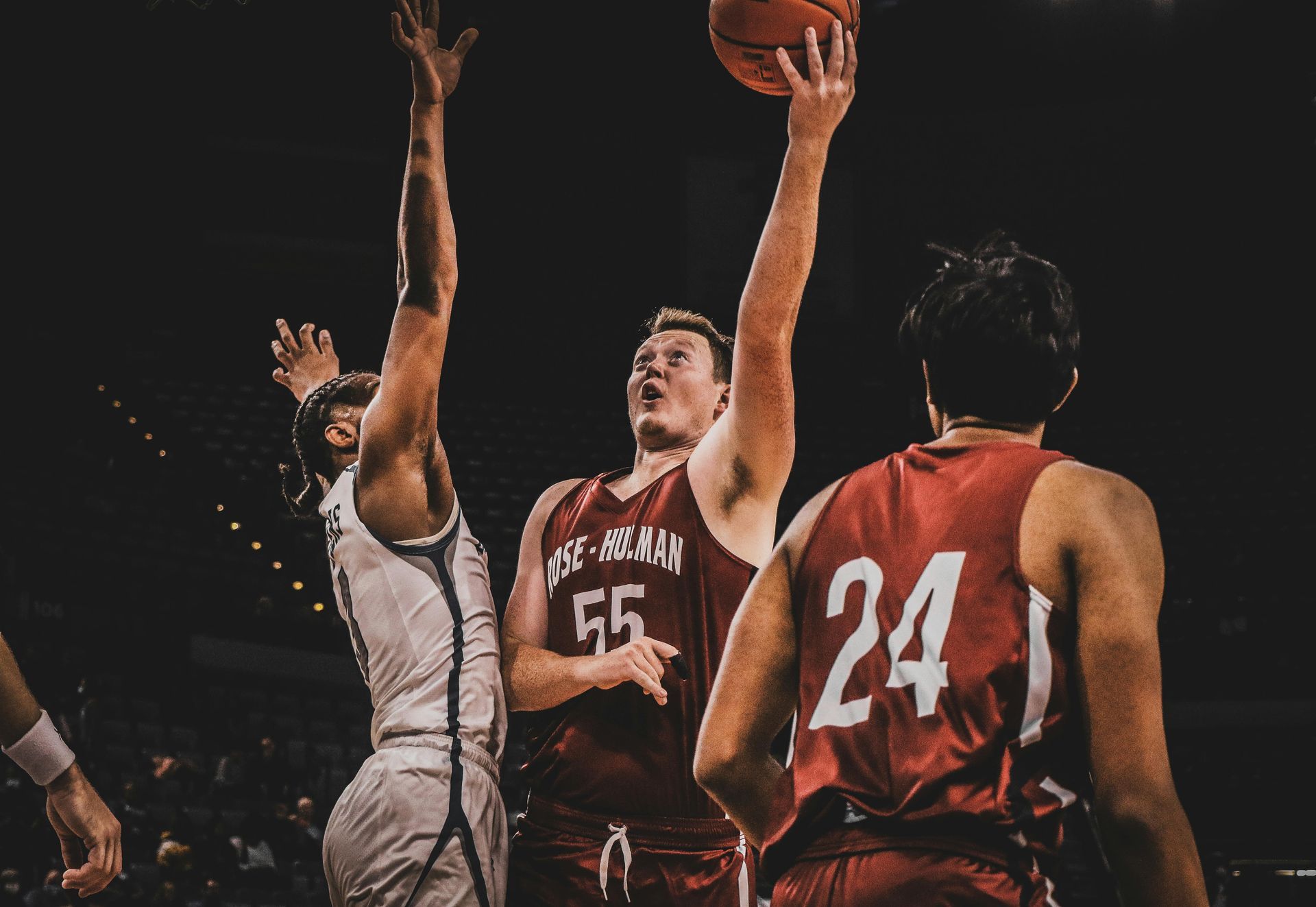
For many talented athletes around the world, U.S. college athletics represent a remarkable opportunity to combine elite athletic competition with higher education. In sports such as basketball, soccer, track and field, and tennis, among others, hundreds of colleges and universities across the United States offer struct

The United States has long been a destination for the world’s most talented athletes—not only to compete at the highest level, but to access world-class training, coaching opportunities, and long-term career prospects. Whether on the field, in the ring, or across the chessboard, athletes from across the globe are finding immigration pathways that allow them to pursue their athletic and professional goals in the U.S. U.S. immigration law offers several visa and green card options designed specifically for individuals with extraordinary athletic talent. These include the P-1A visa for internationally recognized athletes, the O-1A visa for individuals of extraordinary ability, and the EB-1A immigrant petition, which can lead to permanent residency and ultimately, U.S. citizenship. The P-1A visa is commonly used by professional athletes coming to the U.S. to compete in a specific event or season. This applies not only to individual athletes but also to members of teams or clubs recognized internationally. It is widely used by soccer players, basketball players, MMA fighters, Brazilian Jiu-Jitsu competitors, and even elite chess players. Athletes must demonstrate a high level of international recognition and a record of performance in their sport. The O-1A visa is a strong option for coaches who demonstrate extraordinary ability, typically evidenced by championship titles, sustained winning records, or recognition as integral to their team’s success. To qualify, a coach must establish that their expertise places them among the small percentage of top professionals in their field. For athletes seeking permanent status in the U.S., the EB-1A immigrant petition —often referred to as the “extraordinary ability green card”—provides a direct path to lawful permanent residency. It requires clear documentation that the individual is among the very best in their sport and has achieved sustained national or international success. Unlike other green card categories, the EB-1A does not require employer sponsorship and can be self-petitioned. This has become a common path for MMA world champions, BJJ black belt medalists, Olympic athletes, and chess grandmasters—many of whom now represent the U.S. at the highest levels of international competition. It’s important to note that U.S. immigration law defines “athlete” broadly. Whether you are a professional football player in Europe, a sprinter from the Caribbean, a judoka, a gymnast, or a grandmaster in chess, your achievements may qualify under these categories if they are properly documented and presented. The key is a consistent record of excellence and recognition in your sport on a national or international scale. Our office specializes in these types of immigration matters. Whether you are an individual athlete looking to relocate or an organization seeking to bring international talent to your roster, we offer tailored legal strategies to support your goals. If you are exploring options to compete, train, or build your future in the U.S., we’re here to help you take the next step.

In a renewed wave of enforcement, U.S. Immigration and Customs Enforcement (ICE) has started sending formal alerts to certain F-1 students participating in Optional Practical Training (OPT), flagging that their records reflect over 90 days without any reported employment. These students have been advised to update their employment status in the Student and Exchange Visitor Information System (SEVIS) within 15 days. Failure to take timely corrective action may lead to the termination of the student's SEVIS record, effectively marking them as out of status, and may ultimately trigger removal proceedings. The notices are intended as a warning that students who do not comply with OPT reporting obligations are at risk of serious immigration consequences. Understanding OPT and Its Unemployment Limits Optional Practical Training (commonly referred to as “OPT”) is a work authorization benefit that allows eligible F-1 international students to gain hands-on experience in their field of study. Students may apply for pre-completion OPT (while still in school) or post-completion OPT (after graduation), typically for up to 12 months. Those with degrees in qualifying STEM fields may apply for an additional 24-month STEM OPT extension, giving them a total of 36 months of work authorization in the U.S. To maintain valid F-1 status while on OPT, students must remain actively employed in a position related to their field of study. The amount of time a student may remain in the United States while on OPT without being properly employed is capped at: 90 days during the standard 12-month post-completion OPT, and 150 days for those on the STEM OPT extension, which includes any days of unemployment accrued during the initial OPT period. These unemployment limits are cumulative and enforced strictly through SEVIS monitoring. What Should F-1 Students Do? If you are an F-1 student on OPT or STEM OPT and receive a warning or are unsure about your compliance status, act quickly: Contact your Designated School Official (DSO) immediately to review and, if necessary, update your SEVIS record. Ensure all employment is properly documented and reported through your school’s international office. Do not ignore warning notices, as failure to respond may lead to SEVIS termination and potentially the initiation of removal proceedings. It is also advisable to consult with a qualified immigration attorney to explore available options and understand how enforcement actions may affect your status or future immigration plans. If you received a notice or have questions about your F-1 status, our attorneys are here to help you take the right steps to protect your future in the United States. Contact us today to schedule a consultation.
According to the U.S. State Department, there has been a steady increase of F-1 visas issued for foreign students within the past year. In Fiscal Year 2022, 411,000 F-1 visas were issued, rising from the 358,000 F-1 visas issued in the 2021 Fiscal Year. These numbers have shown that F-1 student visas have recovered to pre-pandemic numbers. In 2020, only 111,000 F-1 student visas were issued due to pandemic uncertainty, border restrictions, embassy closures, and other barriers for students to study in the United States. The government expects these numbers to continue to rise even with rising rejection rates of F-1 applicants. In 2022, the U.S. State Department rejected 35% of all F-1 applicants in 2022, an increase from previous years. In addition, in May 2023, U.S. Immigration and Customs Enforcement terminated COVID-era guidance allowing F and M students to utilize more online classes toward a full course of study. The increasing F-1 student visas are a good sign for American employers because these individuals seek to study in the United States due to American excellence in wages, opportunity, diversity, and the encouragement of highly skilled workers. By assimilating in the United States through their education, they will be prepared to contribute to the United States workforce. For those who are interested in applying for the F-1 student visa, please contact our office for consultation and further information.
On January 14, 2026, the Trump administration announced a freeze on immigrant visa issuance for nationals of 75 countries . The administration states that this “visa freeze” is intended to review security protocols, “reduce risks,” and control immigration flows. However, the immediate reality is that this change in policy has temporarily suspended visa processing and restricted travel for applicants from numerous countries across the globe. While the legal landscape surrounding these suspensions is highly fluid and subject to change, it is important to consider how this “visa freeze” might impact your current status or immigration plans. The scope of the restrictions varies drastically depending on your country of origin and specific visa category. Most notably, a nationality-based travel ban restricts visa issuance for 19 countries : Afghanistan, Burma, Chad, Republic of Congo, Equatorial Guinea, Eritrea, Haiti, Iran, Libya, Somalia, Sudan, Yemen, Burundi, Cuba, Laos, Sierra Leone, Togo, Turkmenistan, and Venezuela. Beyond this targeted ban, a broader freeze affects applicants from a designated list of up to 75 countries, leading to indefinite delays for many visa petitions. However, it is important to note that immigrant visa applications first need to be processed through USCIS, which has not paused processing applications from the 75 countries. Thus, it is important to contact an attorney to understand at what point in the process this visa freeze may affect your case. While Brazil is included in the list of 75 countries, at the time of this publication, the freeze does not include non-immigrant visas for Brazil . Non-immigrant visas are granted to foreign nationals seeking to enter the United States on a temporary basis for specific purposes, such as tourism, studying, or temporary work. This means that Brazilian applicants can still safely pursue non-immigrant employment options, such as O visas for individuals with extraordinary ability or P visas for internationally recognized athletes, without being subjected to the current travel bans or suspensions. This alert is for informational purposes only and does not constitute legal advice. There are many changes and uncertainties, so please consult with a qualified attorney at Santos Lloyd Law Firm, P.C. to understand how these evolving policies might affect your specific case
Recent data in 2026 shows a sharp increase in Requests for Evidence across employment-based visa categories such as EB-1, EB-2 NIW, O, and H-1B. Requests for Evidence (RFEs) are no longer reserved for borderline cases; even robust petitions for high-level talent are facing unprecedented scrutiny. The expansion of the USCIS Vetting Center means automated tools are cross-referencing every petition, triggering RFEs for even the smallest inconsistencies. For EB-2 NIW petitions, adjudicators are increasingly questioning the "National Importance" of a candidate’s endeavor. Even for those with impressive credentials, USCIS now demands evidence of how their work specifically benefits the U.S. on a prospective basis. For O-1A and O-1B visas, officers are applying narrower interpretations of "distinction" and "extraordinary ability," often mischaracterizing evidence already present in the record. Additionally, a troubling 2026 trend is the correlation between Premium Processing and RFEs . For discretionary categories like EB-1A and EB-2 NIW, Premium Processing has increasingly become a "fast track" to a poorly reasoned RFE. Reports indicate that adjudicators, pressured by 15-business-day timelines, may be relying on AI-assisted vetting tools that trigger automated RFEs with general and boilerplate language, rather than a thorough review and analysis of supporting documents and evidence filed. With USCIS employing more rigorous AI-driven vetting and a narrower interpretation of visa criteria, the margin for error has disappeared . As such, ensure you consult with an experienced immigration attorney before filing a petition. ' If you have any questions, please schedule a consultation with one of our experienced attorneys, and we will be more than happy to assist you.

In recent weeks, the U.S. government has moved to terminate Temporary Protected Status (TPS) for multiple countries, sparking a wave of last-minute litigation and creating significant uncertainty for beneficiaries. This shift is having a profound impact on those who rely on TPS for lawful presence and work authorization in the United States. Across the country, federal courts have intervened to pause or block scheduled TPS terminations for several countries, including Burma (Myanmar), Ethiopia, Haiti, South Sudan, and Syria. In response to these court orders, USCIS has updated its webpages to indicate that TPS status and related Employment Authorization Documents (EADs) are extended for these populations. However, USCIS is intentionally not providing specific new end dates for EAD validity while the litigation remains in flux. The Department of Homeland Security (DHS) has prominently noted that it "vehemently disagrees" with these court orders and is actively working with the Department of Justice on next steps. This legal landscape remains highly unpredictable and varies drastically depending on the country of origin. For example, on February 9, 2026, the 9th Circuit Court of Appeals granted a stay allowing the government to proceed with the termination of TPS for Nicaragua, Honduras, and Nepal while the underlying legal challenges continue. Because of this ruling, the automatic extension of work authorization for these individuals has ended, and employers are now required to reverify the work authorization of affected employees, who must present alternative valid documentation to continue their employment. These rapid changes and the lack of clear end dates are causing complications beyond the workplace. Because driver's licenses often track the length of an individual's authorized stay, many DMVs are currently declining to issue or renew driver's licenses for impacted TPS populations. For employers, managing internal communications, avoiding onboarding errors, and navigating Form I-9 compliance has become increasingly complex. It is more important than ever to be well-prepared and proactive in monitoring these rapid changes. At Santos Lloyd Law Firm, P.C., our immigration attorneys are ready to guide you through this evolving process and ensure you are informed, and supported. Please contact us if you have questions or need assistance.
