O que são os vistos P-1B e P-1S?

Angelica Rice • December 15, 2022

Click here to read this article in Spanish and English

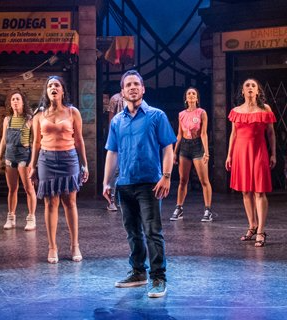
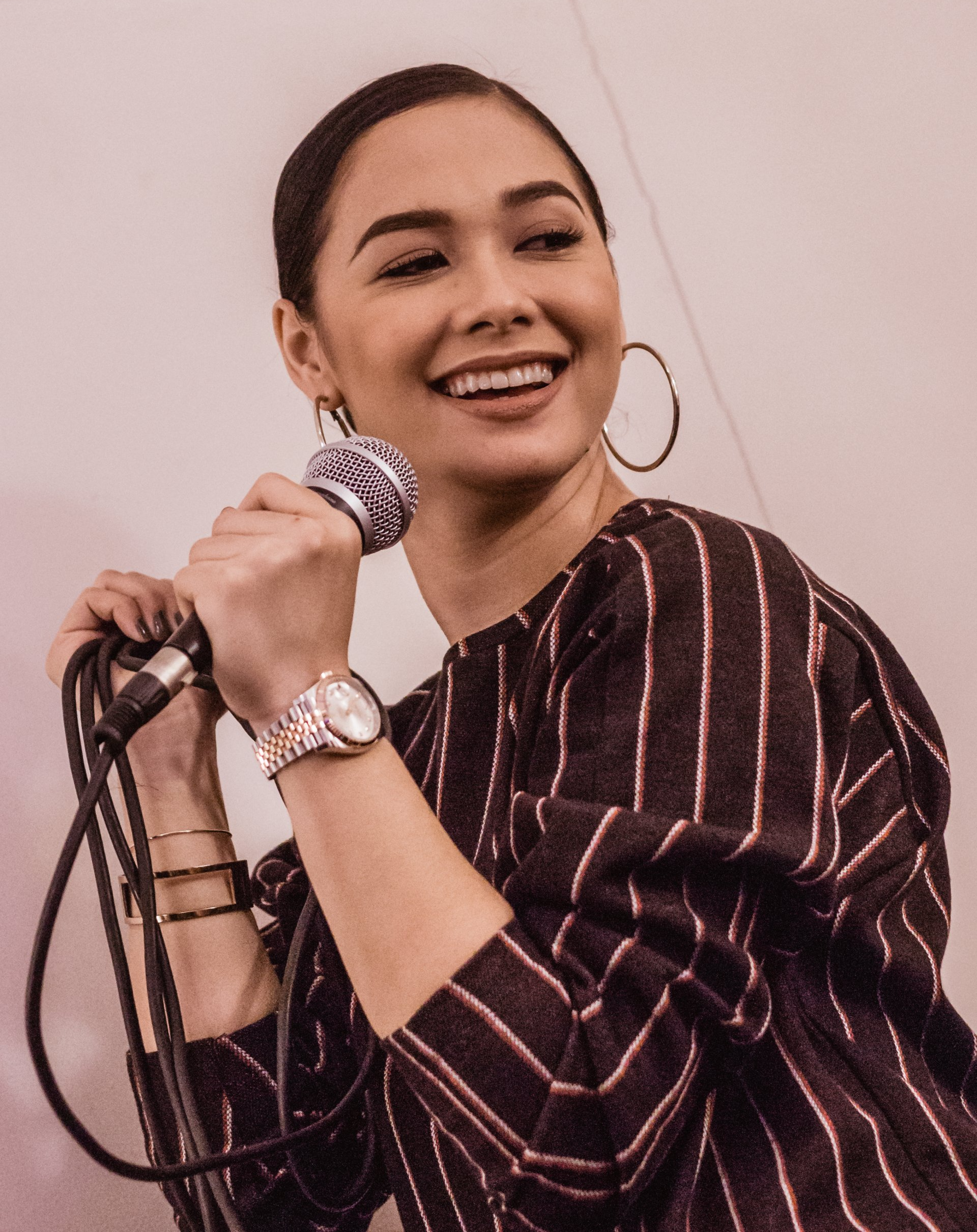
     Uma das opções de visto que os Serviços de Cidadania e Imigração Americanos (USCIS) oferecem é o visto P. Os vistos P são geralmente reservados para atletas reconhecidos internacionalmente (P-1A), artistas ou grupos que estão se apresentando em um programa cultural específico (P-2), artista ou entertainer que faz parte de um programa culturalmente único (P-3), ou alguém que seja membro de um grupo de entretenimento reconhecido internacionalmente (P-1B) e sua equipe técnica (P-1S).

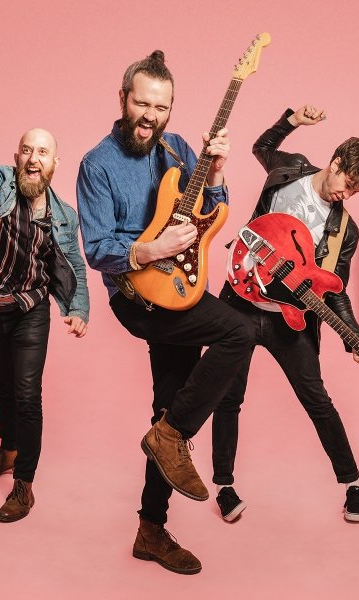
    A classificação P-1B se aplica a você se estiver vindo para os Estados Unidos temporariamente, para se apresentar como membro de um grupo de entretenimento, estabelecido há no mínimo um ano e que seja famoso internacionalmente dentro da sua área de atuação, por um período estável e significativo.

     Para ser elegível para o visto P-1B, pelo menos 75% dos membros da equipe devem ter um vínculo relevante e consistente com o grupo por pelo menos um ano (ou seja, pelo menos 75% dos membros da equipe devem ter sido membros por pelo menos um ano).


    Além disso, o grupo de entretenimento precisa ser reconhecido internacionalmente, muito conhecidos na sua área, comprovado por habilidades e reconhecimento bastante acima da média a ponto de serem renomados, líderes na sua área de atuação e reconhecidos em mais de um país. A reputação do grupo é essencial, não a de um único indivíduo do grupo, nem o sucesso de apenas uma produção em particular. 


    Observe que este é um visto para equipes e, artistas individuais que não se apresentem como parte de um grupo, não são elegíveis para esta classificação de visto. No entanto, artistas individuais ou em dupla que se apresentam regularmente com instrumentistas de apoio, também podem ser elegíveis para este visto.


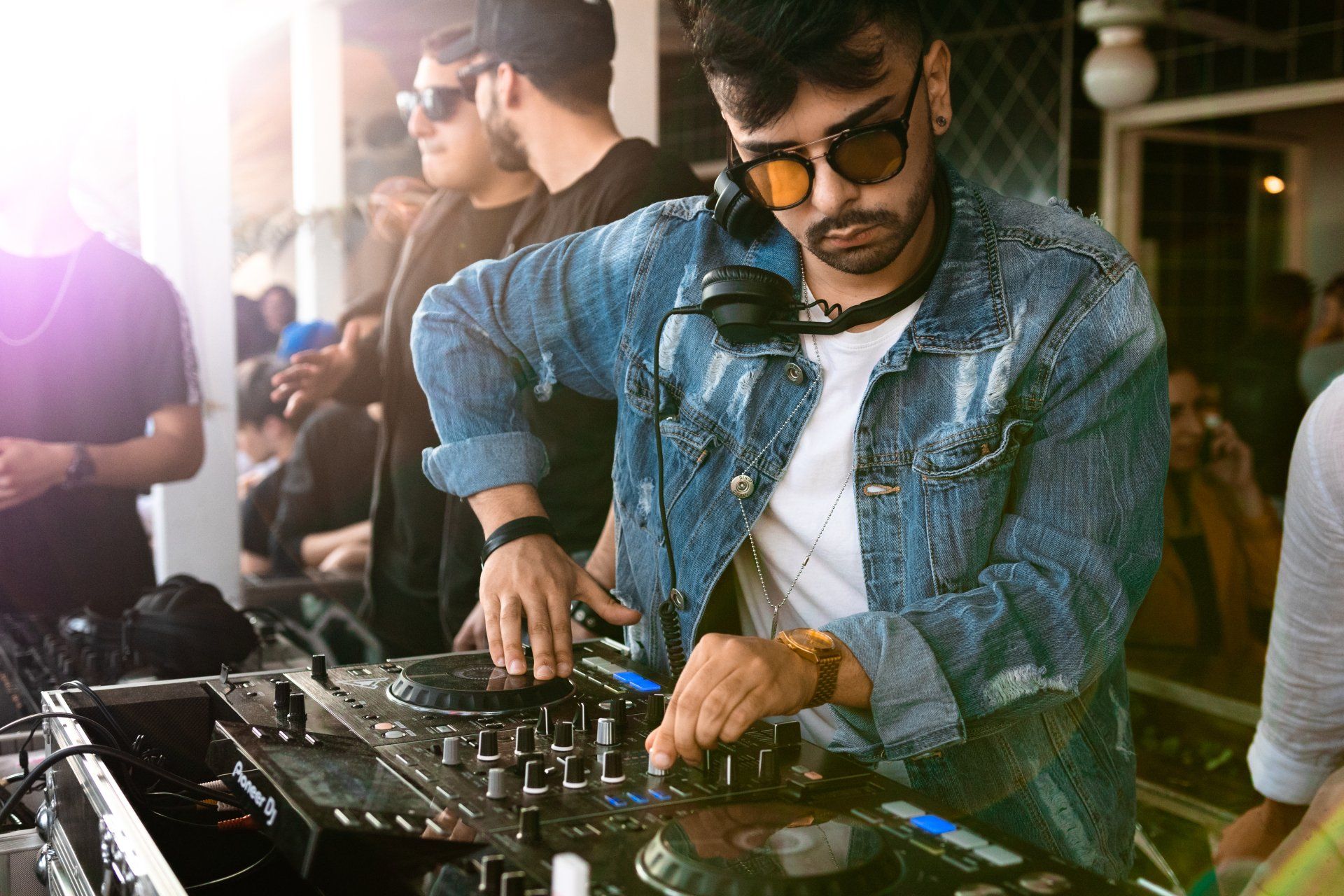
     O pessoal de apoio, essencial para a performance do grupo, também é elegível para o visto P-1 para acompanhar e auxiliar o grupo. Esse seria o visto P-1S e seria requerido ao mesmo tempo da petição de visto P-1B do grupo. Para que o pessoal de apoio seja elegível para um visto P-1S, deve ser demonstrado que eles são parte integrante da apresentação de artista(s) P-1 e que realizam serviços de apoio que não podem ser prontamente executados por um trabalhador dos EUA. O pessoal de suporte pode incluir pessoal administrativo, operadores de câmera, técnicos de iluminação e pessoal de palco.


      Para obter mais informações sobre P-1B e P-1S, bem como outros vistos P, e para determinar se um desses vistos é adequado para você, entre em contato com um de seus experientes advogados de imigração!


Este blog não se destina a ser um aconselhamento jurídico e nada aqui deve ser interpretado como estabelecimento de uma relação cliente-advogado. Por favor, agende uma consulta com um advogado de imigração, antes de agir baseado em qualquer informação lida neste blog.

This Facebook widget is no longer supported.

Angelica Rice


Similar Posts

By Joseph Lennarz January 26, 2026
In the shifting landscape of college athletics in 2026, maintaining your F-1 student visa status as an international student-athlete can be complicated, but the rules are less restrictive than they were under the traditional NCAA model as we will discuss below. At the core of your status is the Full Course of Study requirement. To stay "in status," you must be enrolled in a full-time credit load (typically 12 credits for undergraduates) and making "normal progress" toward your degree. Following recent 2025 policy updates, there is a heightened emphasis on in-person attendance; you must ensure the majority of your credits are physical, on-campus classes, as exceeding online course limits can trigger an automatic SEVIS record termination. Always consult your Designated School Official (DSO) before dropping a class, as even a one-credit dip can jeopardize your ability to stay in the country and compete. As a student athlete, you will likely also have access to an academic advisor who can help you balance your course load with your athletic responsibilities. Beyond academics, you must simultaneously manage your NCAA Eligibility in order to compete with your athletic team. While your visa is governed by federal law, your right to play college athletics is governed by the eligibility department for whatever athletic association your school is a part of- this means the NCAA Eligibility Center for NCAA programs, PlayNAIA for NAIA programs, or the NJCAA’s eligibility center for junior college programs. For current students, this means meeting "Progress Toward Degree" (PTD) milestones, such as completing a specific percentage of your degree requirements each year and maintaining a minimum GPA (“grade point average”, measuring your academic grading results). It is a dual-track responsibility: your DSO monitors your legal presence, while your athletic compliance officer monitors your roster eligibility. Remember that you need to keep up with standards in both academic eligibility and athletic compliance in order to be a successful student athlete. If you become academically ineligible to play, or don’t follow athletic compliance rules, you may lose the very scholarship that provides the "financial proof" required for your visa. The biggest new change to the student athlete landscape at the NCAA level is Name, Image, and Likeness payments, often referred to as “NIL”. While a recent legal challenge, House v. NCAA, resulted in a settlement that allows for direct revenue sharing for domestic athletes, international students must remain extremely cautious. Under U.S. immigration law, most "active" NIL activities—such as filming commercials, doing paid autograph signings, or posting sponsored content while physically in the U.S.—are considered unauthorized employment for international student athletes. Even if the NCAA allows it, the Department of Homeland Security may not. To protect your status, focus on "passive" income opportunities, such as licensing your image for video games or engaging in brand deals only when you are physically outside the U.S. during breaks. In addition to allowing student-athletes to receive NIL revenue, the NCAA now also allows student-athletes to sign representation agreements with agents specifically to help manage NIL opportunities. This means you are allowed to sign with an agent, but their activities on your behalf should be limited to things like soliciting NIL opportunities for you, strategizing with you on how to best promote you for such opportunities, and negotiating the compensation terms for NIL opportunities that you are offered and wish to accept. NCAA student athletes are not permitted to have agents representing them as professional prospects, which includes activities like soliciting professional trials or contracts. Make sure you have a written agreement with any NIL agent that specifies which activities they may partake in on your behalf, and which they may not. An NIL representation agreement should also have clearly defined key terms such as the length of the agreement, how the agent will be paid (whether by flat fee or commission on NIL revenue they are able to generate for you), and how much they will be paid. When it comes to NIL as with other aspects of the student-athlete experience, proactive communication and documentation are your best defenses. Never sign an NIL contract or accept a "stipend" without having it reviewed by both your school’s compliance office and an immigration attorney. Additionally, keep your Form I-20 updated with a valid travel signature, especially if you are traveling for international competitions or returning home. In the current 2026 regulatory environment, "ignorance of the rules" is not a valid defense; stay in constant contact with your DSO to ensure every move you make on the field is backed by a solid legal standing off the field. Tips on this part of your student-athlete journey: 1) When dealing with agents, remember that YOU as a student athlete are the one bound by NCAA (or other athletic association) rules, they are not - this means you are the party who has everything to lose by violating those rules. A good agent will know and respect the rules that you need to follow, while someone less scrupulous may not be so concerned since they are not the ones risking their eligibility. 2) An immigration attorney can help you make sure you are staying compliant with immigration laws when pursuing NIL opportunities - NIL brings an exciting, and potentially lucrative, new element to college sports. However, it’s important to keep in mind that the system and its rules are designed for all student athletes and not specifically tailored to the additional considerations that a foreign student-athlete must adhere to in order to maintain your F1 visa. A good immigration attorney can help you navigate that aspect when you are planning strategies for maximizing your NIL potential. If you are a current or prospective student-athlete, or even a coach or administrator at a college program with questions about the F1 visa process or NIL opportunities for international student-athletes, you should consult with an immigration attorney. We are happy to offer such guidance, please contact us using the form available here on our website at www.santoslloydlaw.com and we will be in touch with you shortly.
By Joseph Lennarz November 20, 2025
Once you have connected with a college program, have been admitted to the school, and deemed eligible to compete athletically, you will need to secure an F-1 student visa in order to actually attend your new college and begin your time as a student athlete. The first step in the visa process is to receive your Form I-2
Show More
By Joseph Lennarz January 26, 2026
In the shifting landscape of college athletics in 2026, maintaining your F-1 student visa status as an international student-athlete can be complicated, but the rules are less restrictive than they were under the traditional NCAA model as we will discuss below. At the core of your status is the Full Course of Study requirement. To stay "in status," you must be enrolled in a full-time credit load (typically 12 credits for undergraduates) and making "normal progress" toward your degree. Following recent 2025 policy updates, there is a heightened emphasis on in-person attendance; you must ensure the majority of your credits are physical, on-campus classes, as exceeding online course limits can trigger an automatic SEVIS record termination. Always consult your Designated School Official (DSO) before dropping a class, as even a one-credit dip can jeopardize your ability to stay in the country and compete. As a student athlete, you will likely also have access to an academic advisor who can help you balance your course load with your athletic responsibilities. Beyond academics, you must simultaneously manage your NCAA Eligibility in order to compete with your athletic team. While your visa is governed by federal law, your right to play college athletics is governed by the eligibility department for whatever athletic association your school is a part of- this means the NCAA Eligibility Center for NCAA programs, PlayNAIA for NAIA programs, or the NJCAA’s eligibility center for junior college programs. For current students, this means meeting "Progress Toward Degree" (PTD) milestones, such as completing a specific percentage of your degree requirements each year and maintaining a minimum GPA (“grade point average”, measuring your academic grading results). It is a dual-track responsibility: your DSO monitors your legal presence, while your athletic compliance officer monitors your roster eligibility. Remember that you need to keep up with standards in both academic eligibility and athletic compliance in order to be a successful student athlete. If you become academically ineligible to play, or don’t follow athletic compliance rules, you may lose the very scholarship that provides the "financial proof" required for your visa. The biggest new change to the student athlete landscape at the NCAA level is Name, Image, and Likeness payments, often referred to as “NIL”. While a recent legal challenge, House v. NCAA, resulted in a settlement that allows for direct revenue sharing for domestic athletes, international students must remain extremely cautious. Under U.S. immigration law, most "active" NIL activities—such as filming commercials, doing paid autograph signings, or posting sponsored content while physically in the U.S.—are considered unauthorized employment for international student athletes. Even if the NCAA allows it, the Department of Homeland Security may not. To protect your status, focus on "passive" income opportunities, such as licensing your image for video games or engaging in brand deals only when you are physically outside the U.S. during breaks. In addition to allowing student-athletes to receive NIL revenue, the NCAA now also allows student-athletes to sign representation agreements with agents specifically to help manage NIL opportunities. This means you are allowed to sign with an agent, but their activities on your behalf should be limited to things like soliciting NIL opportunities for you, strategizing with you on how to best promote you for such opportunities, and negotiating the compensation terms for NIL opportunities that you are offered and wish to accept. NCAA student athletes are not permitted to have agents representing them as professional prospects, which includes activities like soliciting professional trials or contracts. Make sure you have a written agreement with any NIL agent that specifies which activities they may partake in on your behalf, and which they may not. An NIL representation agreement should also have clearly defined key terms such as the length of the agreement, how the agent will be paid (whether by flat fee or commission on NIL revenue they are able to generate for you), and how much they will be paid. When it comes to NIL as with other aspects of the student-athlete experience, proactive communication and documentation are your best defenses. Never sign an NIL contract or accept a "stipend" without having it reviewed by both your school’s compliance office and an immigration attorney. Additionally, keep your Form I-20 updated with a valid travel signature, especially if you are traveling for international competitions or returning home. In the current 2026 regulatory environment, "ignorance of the rules" is not a valid defense; stay in constant contact with your DSO to ensure every move you make on the field is backed by a solid legal standing off the field. Tips on this part of your student-athlete journey: 1) When dealing with agents, remember that YOU as a student athlete are the one bound by NCAA (or other athletic association) rules, they are not - this means you are the party who has everything to lose by violating those rules. A good agent will know and respect the rules that you need to follow, while someone less scrupulous may not be so concerned since they are not the ones risking their eligibility. 2) An immigration attorney can help you make sure you are staying compliant with immigration laws when pursuing NIL opportunities - NIL brings an exciting, and potentially lucrative, new element to college sports. However, it’s important to keep in mind that the system and its rules are designed for all student athletes and not specifically tailored to the additional considerations that a foreign student-athlete must adhere to in order to maintain your F1 visa. A good immigration attorney can help you navigate that aspect when you are planning strategies for maximizing your NIL potential. If you are a current or prospective student-athlete, or even a coach or administrator at a college program with questions about the F1 visa process or NIL opportunities for international student-athletes, you should consult with an immigration attorney. We are happy to offer such guidance, please contact us using the form available here on our website at www.santoslloydlaw.com and we will be in touch with you shortly.
By Kris Quadros-Ragar January 15, 2026
U.S. Citizenship and Immigration Services (USCIS) has announced a major change to the H-1B cap selection process. Under a final rule issued on December 29, 2025, USCIS will replace the long-standing random H-1B lottery with a wage-weighted selection system that favors higher-paid and more complex positions. The rule is scheduled to take effect on February 27, 2026 , just ahead of the fiscal year 2027 H-1B cap registration season, unless delayed by legal challenges. If implemented, USCIS is expected to release additional guidance explaining how employers must submit registrations under the revised process. This change marks one of the most significant reforms to the H-1B program in recent years. Up until 2025, all registrations were treated equally once the annual cap was reached. Under the new system, selection odds will be tied to wage levels based on the U.S. Department of Labor’s Occupational Employment and Wage Statistics data. All H-1B registrations will still be placed into a single selection pool, but registrations tied to higher wage levels will receive multiple entries into that pool, increasing their likelihood of selection. Lower wage levels will receive fewer entries, making selection less likely but not impossible. H-1B wage levels are not determined solely by salary. Each wage level reflects the complexity of the job, the level of responsibility involved, and the education and experience required . Entry-level positions involving routine duties and close supervision are generally classified at the lowest wage level, while positions requiring independent judgment, advanced skills, and significant responsibility fall into higher wage levels. The highest wage level is reserved for roles that involve expert knowledge, strategic decision-making, and substantial leadership or technical authority. USCIS is expected to closely scrutinize selected petitions to ensure that the wage level claimed during registration is supported by the job duties and salary offered in the petition. Any discrepancies between the registration and the petition may result in requests for evidence, denials, or enforcement action. With the elimination of the purely random lottery, employers should begin preparing early by carefully evaluating job descriptions, wage levels, and overall H-1B strategy. Accurate classification and thoughtful planning will be essential under this new wage-based selection system. If you are an employer considering H-1B sponsorship, or a foreign professional wondering whether your position may qualify under the new wage-based system, consulting with experienced immigration counsel is more important than ever. Santos Lloyd Law is actively advising clients on H-1B cap registrations and strategy under the new rules. To discuss your options or determine whether you may qualify, contact our office to schedule a consultation.
By April Perez January 9, 2026
During the recent administration there has been an increase in issuance of Requests for Evidence for EB-1A petitions for those of Extraordinary Ability. A Request for Evidence is a request that is made by USCIS that should explain how the evidence is deficient in proving the criteria argued and what additional evidence needs to be provided by the applicant to meet the criteria. EB-1A petitions are already normally subject to higher scrutiny because their approval is the first step needed to apply for Lawful Permanent Residence or a green card. USCIS normally requires not just evidence but that the evidence be provided with context and information to show why it matters in a particular field. For example, if you were providing evidence of your membership in an organization that requires outstanding achievements of its members, just providing evidence of the membership is not enough. You must explain what that membership is and provide background information on the organization granting the membership. You also need to provide evidence on the criteria that is used to select the members, information on those who select the members to show that they are recognized experts, other documentation such as articles about the membership organization to show its importance, and any other relevant evidence and background information to show that the criteria is met. A request for evidence being issued prior to the current administration was not uncommon, but in the current climate it is more surprising to not receive a request for evidence for this type of case. It is important to remember that a request for evidence is not a denial. Depending on the validity of the information in the request and the substance some Requests for Evidence can be overcome, and the case be approved. It is important to carefully review the request and note if there are any errors in the content and application of the regulations by USCIS. If you have an attorney, you should work with them and make sure that you provide any evidence you think may be helpful. Although there is a deadline by which a response must be submitted, attention to detail and patience will go a long way when dealing with having to respond to a request for evidence.  If you believe you may qualify for this type of visa, please feel free to contact our office.
Show More