

USCIS presenta mejoras en su experiencia de usuario para la temporada de límite máximo de visas H-1B
Kris Quadros-Ragar • March 7, 2024

Click here to read this article in English
El Servicio de Ciudadanía e Inmigración de EE. UU. (USCIS) anunció recientemente una mejora significativa en su experiencia de usuario con el próximo lanzamiento de cuentas organizacionales para la temporada de límites máximos H-1B. Estas medidas, que debutarán en febrero de 2024, tienen como objetivo impulsar la eficiencia y fomentar la colaboración entre organizaciones, representantes legales y USCIS.
Una de las características clave de esta mejora es la introducción de cuentas organizativas
para presentaciones sin límite máximo y la temporada de límite máximo H-1B para el año fiscal (FY) 2025. Esta innovación permite que varias personas dentro de una organización y sus representantes legales colaboren sin problemas en los registros H-1B, el Formulario I-129 (petición para un trabajador no inmigrante) y el Formulario I-907 asociado (solicitud de servicio de procesamiento premium). La introducción de cuentas organizativas marca una transición hacia un ciclo de vida H-1B totalmente electrónico, que cubre el registro, la preparación de peticiones, la toma de decisiones y la transmisión al Departamento de Estado.
USCIS espera lanzar cuentas organizacionales en febrero de 2024, y poco después la presentación en línea de los Formularios I-129 e I-907. Se anticipa que este cambio a la presentación electrónica agilizará el proceso de petición H-1B, reduciendo errores comunes y eliminando registros duplicados de H-1B.
Además, como parte de los esfuerzos más amplios de USCIS para mejorar la eficiencia y estandarizar los procesos, la ubicación de presentación en papel de los Formularios I-129 e I-907 pasará de los centros de servicio a la caja de seguridad de USCIS. Esta medida tiene como objetivo reducir costos y al mismo tiempo mantener un enfoque más ágil y estandarizado para manejar las peticiones H-1B.
Con estas mejoras en la experiencia del cliente, USCIS está dando un paso significativo hacia la modernización y racionalización del proceso de petición H-1B. A medida que nos acercamos al período de registro H-1B para el año fiscal 2025, Santos Lloyd Law Firm está monitoreando de cerca la evolución del panorama de los cambios H-1B y participando activamente en las próximas sesiones para maximizar los beneficios de estas mejoras.
Este blog no pretende ser asesoramiento legal y nada aquí debe interpretarse como el establecimiento de una relación abogado-cliente. Programe una consulta con un abogado de inmigración antes de actuar según cualquier información leída aquí.
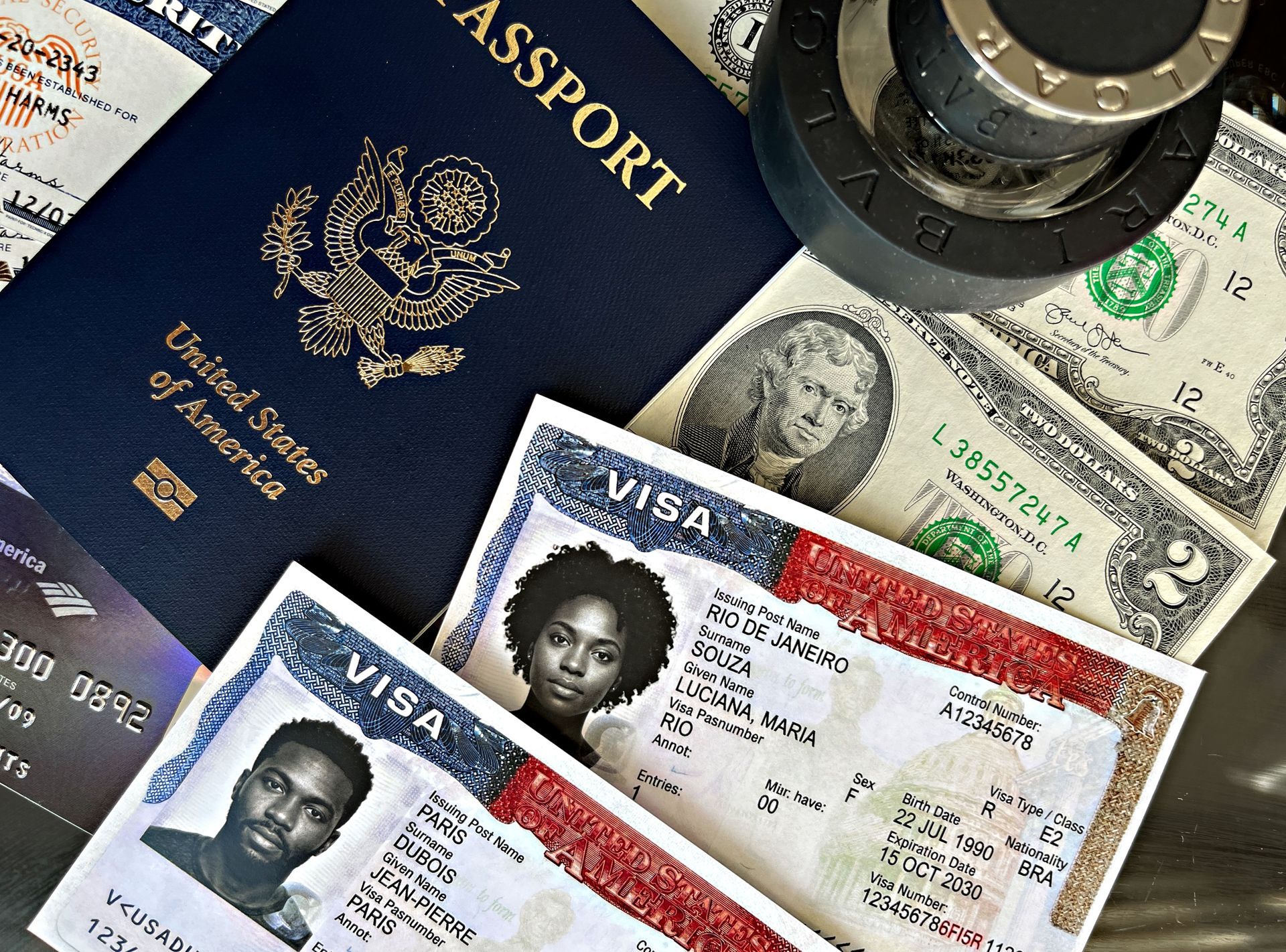
October begins a new federal fiscal year, but that does not mean every green card applicant moves to the front of the line. The Department of State’s October 2026 Visa Bulletin sets out the visa availability that applicants in family-sponsored and employment-based preference categories need to review this month.
Santos Lloyd Law Firm takes great pride in announcing that Partner Flavia Santos Lloyd has been invited to join the Fellows of the American Bar Foundation. As a highly selective global network, the organization recognizes legal professionals across both the public and private sectors who embody the absolute highest standards of the practice. Admission to this distinguished group highlights Flavia’s outstanding legal career, professional integrity, and deep impact on the legal community. Our team celebrates Flavia on this well-deserved recognition!

On September 14, 2026, the U.S. District Court for the District of Massachusetts issued a nationwide preliminary injunction in Presidents' Alliance on Higher Education and Immigration v. U.S. Department of Homeland Security , halting the implementation of the Department of Homeland Security (DHS) final rule that was scheduled to eliminate “duration of status” (D/S) on September 15, 2026. As a result of this nationwide order, DHS is blocked from enforcing fixed periods of admission for F-1 students, J-1 exchange visitors, and I media representatives while the litigation moves forward. Because the current “duration of status” framework remains in full effect, F, J, and I visa holders are not required to file Form I-539 extension of stay applications to remain in valid status beyond program end dates at this time. Furthermore, restrictions on academic transfers, constraints on enrolling in second programs at the same degree level, 240-day caps on continued employment while extensions are pending, and shortened grace periods do not apply during the injunction. F-1 nonimmigrants retain the full 60-day post-completion grace period, and J-1 holders maintain their 30-day grace period. However, please note that this preliminary injunction is not a final ruling invalidating the rule , and a status conference is scheduled for October 2, 2026, to determine next steps in the litigation. Immediate Practice Tips: Inspect I-94 Travel Records Upon Reentry: F, J, and I visa holders currently admitted under D/S retain their status and should continue to be readmitted under D/S following international travel until the injunction is lifted. However, because the I-94 record controls legal stay, travelers must inspect their CBP-issued Form I-94 immediately upon reentry to confirm the "Admit Until Date" states "D/S" rather than a specific expiration date. If a specific date is mistakenly recorded, contact a local CPB Deferred Inspection Site. Notify HR and Review Workplace Compliance: Employers sponsoring F-1 or J-1 employees should inform HR and hiring managers that the September 15 fixed-period rule is postponed and standard D/S rules govern. This development does not alter standard filing windows or Form I-9 verification procedures for post-completion OPT or STEM OPT extensions. Maintain Operational Readiness and Defer Unnecessary Filings: Visa holders and employers should defer travel or filing strategy decisions made solely in anticipation of the fixed-admission rule. Because DHS may appeal or the court could alter the timeline on short notice, institutions and visa holders should maintain readiness to adjust plans if implementation resumes. There are many evolving components to this litigation. If you are an F-1, J-1, or I visa holder, sponsoring institution, or employer, you should proactively coordinate with your international student office and legal counsel to protect your status and monitor upcoming court proceedings.
