Comprendre E-Verify+ : Ce que les nouvelles mises à jour signifient pour les employeurs et les employés

Angelica Rice • November 26, 2024

Click here to read this article in English

Qu'est-ce que E-Verify+?

E-Verify+ est la version la plus récente d'E-Verify, un système géré par le ministère américain de la sécurité intérieure (DHS) pour aider les employeurs à confirmer l'admissibilité au travail de leurs employés. Entrant en vigueur le 21 octobre 2024, E-Verify+ comprend de nouvelles fonctionnalités conçues pour rationaliser le processus de vérification de l'emploi et garantir des résultats plus précis et plus sûrs, tant pour les employeurs que pour les employés.

Le système E-Verify vérifie l'admissibilité au travail d'une personne en comparant les informations du formulaire I-9 (vérification de l'admissibilité au travail) avec les dossiers du DHS et de l'administration de la sécurité sociale (SSA). E-Verify+ va plus loin dans ce processus grâce à des capacités améliorées et à des fonctionnalités actualisées qui rendent la vérification plus rapide, plus fiable et plus conviviale.


Quoi de neuf dans E-Verify+?


     1.  Extensions automatisées de l'autorisation de travail


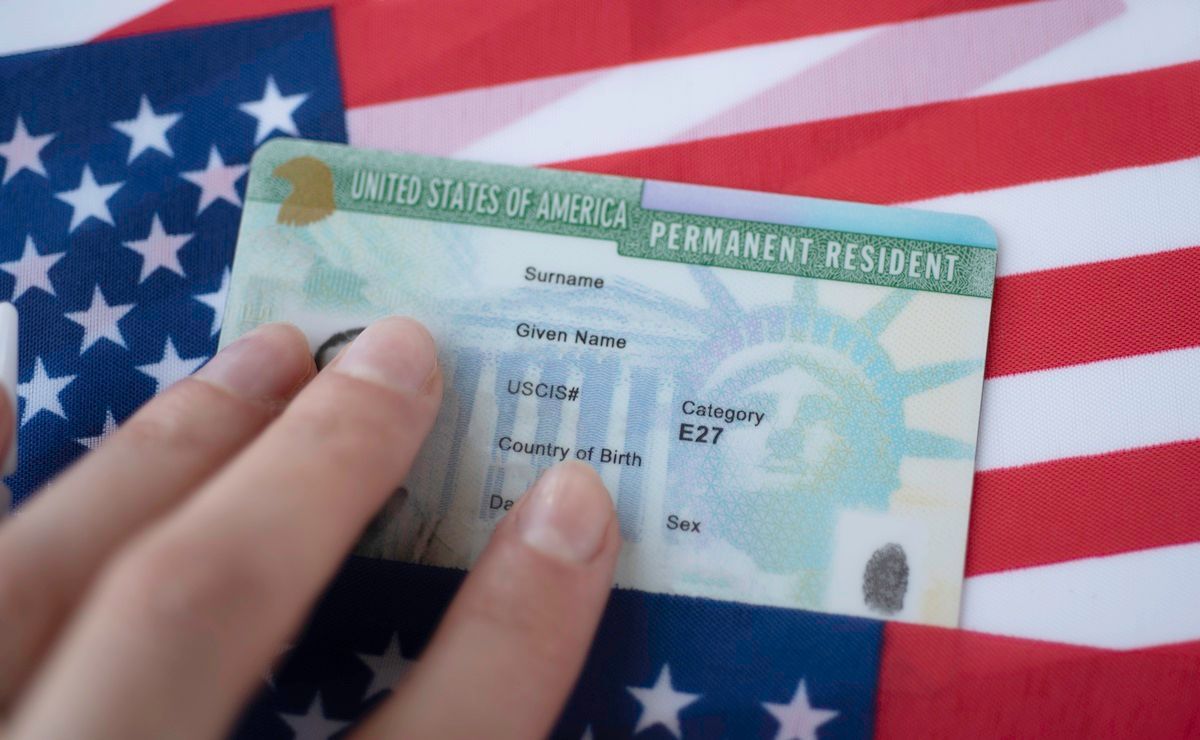
Pour les employés qui renouvellent leur autorisation de travail, E-Verify+ peut désormais fournir des mises à jour automatiques si le processus de renouvellement est retardé. Cela minimise les perturbations pour les employeurs et les employés, en garantissant que l'autorisation de travail est maintenue tant que le renouvellement est en cours.


     2. Précision accrue grâce à la vérification biométrique


L'une des principales nouveautés d'E-Verify+ est la vérification biométrique, qui utilise les empreintes digitales ou d'autres données biométriques pour confirmer l'identité d'un employé de manière plus précise. Cette fonction devrait permettre de réduire les usurpations d'identité et d'améliorer la fiabilité des contrôles d'autorisation de travail.


  3. Système de gestion des cas simplifié


E-Verify+ comprend un système de gestion des cas actualisé qui permet aux employeurs de résoudre les divergences et de mettre à jour les informations plus efficacement. Par exemple, en cas d'incohérence entre le formulaire I-9 d'un employé et les dossiers du gouvernement, E-Verify+ guidera les employeurs sur les prochaines étapes à suivre pour résoudre rapidement le problème.


  4. Intégration avec les mises à jour des EAD (documents d'autorisation de travail)


Les employés qui demandent des documents d'autorisation de travail (EAD) constateront que E-Verify+ comprend désormais une fonction d'intégration qui permet de suivre le statut des renouvellements d'EAD et de fournir aux employeurs des mises à jour sur les demandes en attente.


Qu'est-ce que cela signifie pour les employeurs?

Avec E-Verify+, les employeurs bénéficient d'un processus de vérification de l'emploi plus efficace et plus fiable. Les employeurs qui participent à E-Verify+ sont mieux équipés pour éviter les sanctions en cas d'embauche de travailleurs non autorisés, tout en réduisant les charges administratives liées à la vérification. L'automatisation accrue du système contribue à rationaliser le processus d'embauche, ce qui permet aux entreprises de gagner du temps et d'économiser des ressources.


Qu'est-ce que cela signifie pour les employés?

Pour les employés, E-Verify+ offre une sécurité et une transparence accrues. L'automatisation de l'extension des autorisations de travail permet d'éviter les interruptions d'emploi dues à des retards dans le traitement des autorisations, ce qui est particulièrement important pour ceux qui dépendent des renouvellements. En outre, l'utilisation de la biométrie permet aux employés d'être assurés que leur identité personnelle est protégée lors de la vérification.


Si vous souhaitez en savoir plus sur E-Verify ou mieux comprendre le processus de vérification de l'emploi, n'hésitez pas à contacter l'un de nos avocats expérimentés en droit de l'immigration ! 

Ce blog n'est pas destiné à fournir des conseils juridiques et rien ici ne doit être interprété comme établissant une relation avocat-client. Veuillez prendre rendez-vous avec un avocat spécialisé en droit de l'immigration avant d'agir sur la base de toute information lue ici.
This Facebook widget is no longer supported.

Angelica Rice


By Denice Flores March 6, 2026
Recent data in 2026 shows a sharp increase in Requests for Evidence across employment-based visa categories such as EB-1, EB-2 NIW, O, and H-1B. Requests for Evidence (RFEs) are no longer reserved for borderline cases; even robust petitions for high-level talent are facing unprecedented scrutiny. The expansion of the USCIS Vetting Center means automated tools are cross-referencing every petition, triggering RFEs for even the smallest inconsistencies. For EB-2 NIW petitions, adjudicators are increasingly questioning the "National Importance" of a candidate’s endeavor. Even for those with impressive credentials, USCIS now demands evidence of how their work specifically benefits the U.S. on a prospective basis. For O-1A and O-1B visas, officers are applying narrower interpretations of "distinction" and "extraordinary ability," often mischaracterizing evidence already present in the record. Additionally, a troubling 2026 trend is the correlation between Premium Processing and RFEs . For discretionary categories like EB-1A and EB-2 NIW, Premium Processing has increasingly become a "fast track" to a poorly reasoned RFE. Reports indicate that adjudicators, pressured by 15-business-day timelines, may be relying on AI-assisted vetting tools that trigger automated RFEs with general and boilerplate language, rather than a thorough review and analysis of supporting documents and evidence filed. With USCIS employing more rigorous AI-driven vetting and a narrower interpretation of visa criteria, the margin for error has disappeared . As such, ensure you consult with an experienced immigration attorney before filing a petition. ' If you have any questions, please schedule a consultation with one of our experienced attorneys, and we will be more than happy to assist you.
By Juliana LaMendola February 19, 2026
In recent weeks, the U.S. government has moved to terminate Temporary Protected Status (TPS) for multiple countries, sparking a wave of last-minute litigation and creating significant uncertainty for beneficiaries. This shift is having a profound impact on those who rely on TPS for lawful presence and work authorization in the United States. Across the country, federal courts have intervened to pause or block scheduled TPS terminations for several countries, including Burma (Myanmar), Ethiopia, Haiti, South Sudan, and Syria. In response to these court orders, USCIS has updated its webpages to indicate that TPS status and related Employment Authorization Documents (EADs) are extended for these populations. However, USCIS is intentionally not providing specific new end dates for EAD validity while the litigation remains in flux. The Department of Homeland Security (DHS) has prominently noted that it "vehemently disagrees" with these court orders and is actively working with the Department of Justice on next steps. This legal landscape remains highly unpredictable and varies drastically depending on the country of origin. For example, on February 9, 2026, the 9th Circuit Court of Appeals granted a stay allowing the government to proceed with the termination of TPS for Nicaragua, Honduras, and Nepal while the underlying legal challenges continue. Because of this ruling, the automatic extension of work authorization for these individuals has ended, and employers are now required to reverify the work authorization of affected employees, who must present alternative valid documentation to continue their employment. These rapid changes and the lack of clear end dates are causing complications beyond the workplace. Because driver's licenses often track the length of an individual's authorized stay, many DMVs are currently declining to issue or renew driver's licenses for impacted TPS populations. For employers, managing internal communications, avoiding onboarding errors, and navigating Form I-9 compliance has become increasingly complex. It is more important than ever to be well-prepared and proactive in monitoring these rapid changes. At Santos Lloyd Law Firm, P.C., our immigration attorneys are ready to guide you through this evolving process and ensure you are informed, and supported. Please contact us if you have questions or need assistance.
By Kris Quadros-Ragar January 15, 2026
U.S. Citizenship and Immigration Services (USCIS) has announced a major change to the H-1B cap selection process. Under a final rule issued on December 29, 2025, USCIS will replace the long-standing random H-1B lottery with a wage-weighted selection system that favors higher-paid and more complex positions. The rule is scheduled to take effect on February 27, 2026 , just ahead of the fiscal year 2027 H-1B cap registration season, unless delayed by legal challenges. If implemented, USCIS is expected to release additional guidance explaining how employers must submit registrations under the revised process. This change marks one of the most significant reforms to the H-1B program in recent years. Up until 2025, all registrations were treated equally once the annual cap was reached. Under the new system, selection odds will be tied to wage levels based on the U.S. Department of Labor’s Occupational Employment and Wage Statistics data. All H-1B registrations will still be placed into a single selection pool, but registrations tied to higher wage levels will receive multiple entries into that pool, increasing their likelihood of selection. Lower wage levels will receive fewer entries, making selection less likely but not impossible. H-1B wage levels are not determined solely by salary. Each wage level reflects the complexity of the job, the level of responsibility involved, and the education and experience required . Entry-level positions involving routine duties and close supervision are generally classified at the lowest wage level, while positions requiring independent judgment, advanced skills, and significant responsibility fall into higher wage levels. The highest wage level is reserved for roles that involve expert knowledge, strategic decision-making, and substantial leadership or technical authority. USCIS is expected to closely scrutinize selected petitions to ensure that the wage level claimed during registration is supported by the job duties and salary offered in the petition. Any discrepancies between the registration and the petition may result in requests for evidence, denials, or enforcement action. With the elimination of the purely random lottery, employers should begin preparing early by carefully evaluating job descriptions, wage levels, and overall H-1B strategy. Accurate classification and thoughtful planning will be essential under this new wage-based selection system. If you are an employer considering H-1B sponsorship, or a foreign professional wondering whether your position may qualify under the new wage-based system, consulting with experienced immigration counsel is more important than ever. Santos Lloyd Law is actively advising clients on H-1B cap registrations and strategy under the new rules. To discuss your options or determine whether you may qualify, contact our office to schedule a consultation.
Show More