

La loi Laken Riley : Une nouvelle ère d'implication des États dans la politique fédérale d'immigration
Kris Quadros-Ragar • February 6, 2025

Click here to read this article in English
Le 29 janvier 2025, le président Trump a promulgué la loi Laken Riley, qui modifie considérablement la manière dont les politiques d'immigration sont appliquées aux États-Unis. Cette loi accorde aux procureurs généraux des États et à d'autres fonctionnaires autorisés un pouvoir sans précédent pour interpréter et mettre en œuvre les politiques fédérales en matière d'immigration. Elle leur permet également d'intenter une action en justice contre le gouvernement fédéral s'ils estiment que l'application des lois fédérales sur l'immigration a des répercussions négatives sur leur État. Grâce à cette nouvelle autorité, les États jouent désormais un rôle direct dans l'orientation des résultats en matière d'immigration, une responsabilité traditionnellement assumée par le gouvernement fédéral.
L'un des effets les plus immédiats de la loi Laken Riley est qu'elle permet aux États de demander une injonction pour bloquer la délivrance de visas aux ressortissants de pays qui refusent ou retardent de manière déraisonnable l'acceptation de leurs citoyens qui ont fait l'objet d'une mesure d'éloignement des États-Unis. Cela signifie que si un pays ne coopère pas aux efforts d'expulsion des États-Unis, ses ressortissants, quel que soit leur statut juridique, pourraient rencontrer d'importantes difficultés pour obtenir ou renouveler leur visa. Par conséquent, les ressortissants étrangers de ces pays peuvent être confrontés à une incertitude accrue lorsqu'ils voyagent à l'étranger ou obtiennent un permis de travail aux États-Unis.
Au-delà du traitement des visas, la loi introduit un nouveau niveau d'imprévisibilité dans le système d'immigration. En permettant aux procureurs généraux des États d'intervenir dans les procédures fédérales et les politiques d'immigration qui peuvent désormais varier en fonction des décisions prises au niveau de l'État. Dans les mois à venir, il reste à voir comment les différents États exerceront ce pouvoir - s'ils chercheront activement à bloquer la délivrance de visas ou s'ils feront pression en faveur de mesures plus larges d'application de la législation sur l'immigration.
Pour les ressortissants étrangers et les employeurs, il est plus important que jamais de se tenir au courant des pays considérés comme « non coopératifs ». Les personnes qui doivent faire renouveler leur visa ou qui prévoient de voyager à l'étranger doivent se préparer à d'éventuels retards et demander l'aide d'un professionnel pour faire face à ces incertitudes.
La loi Laken Riley oblige également les autorités fédérales chargées de l'immigration à détenir et à expulser les personnes sans statut légal qui sont accusées de certains délits, notamment de vol mineur ou de vol à l'étalage, d'agression contre un agent des forces de l'ordre et de délits entraînant la mort ou des blessures corporelles graves. Cette disposition souligne une approche plus stricte de l'application de la législation sur l'immigration, qui concerne les personnes accusées de délits mineurs ou graves.
Les politiques d'immigration étant désormais soumises à un nouveau niveau d'implication de l'État, il est plus important que jamais de rester informé et de se préparer à des défis potentiels. Si vous vous interrogez sur la manière dont la loi Laken Riley peut affecter votre statut d'immigrant ou votre entreprise, contactez le cabinet Santos Lloyd Law Firm pour obtenir des conseils stratégiques adaptés à vos besoins.
Ce blog n'est pas destiné à fournir des conseils juridiques et rien ici ne doit être interprété comme établissant une relation avocat-client. Veuillez prendre rendez-vous avec un avocat spécialisé en droit de l'immigration avant d'agir sur la base de toute information lue ici.
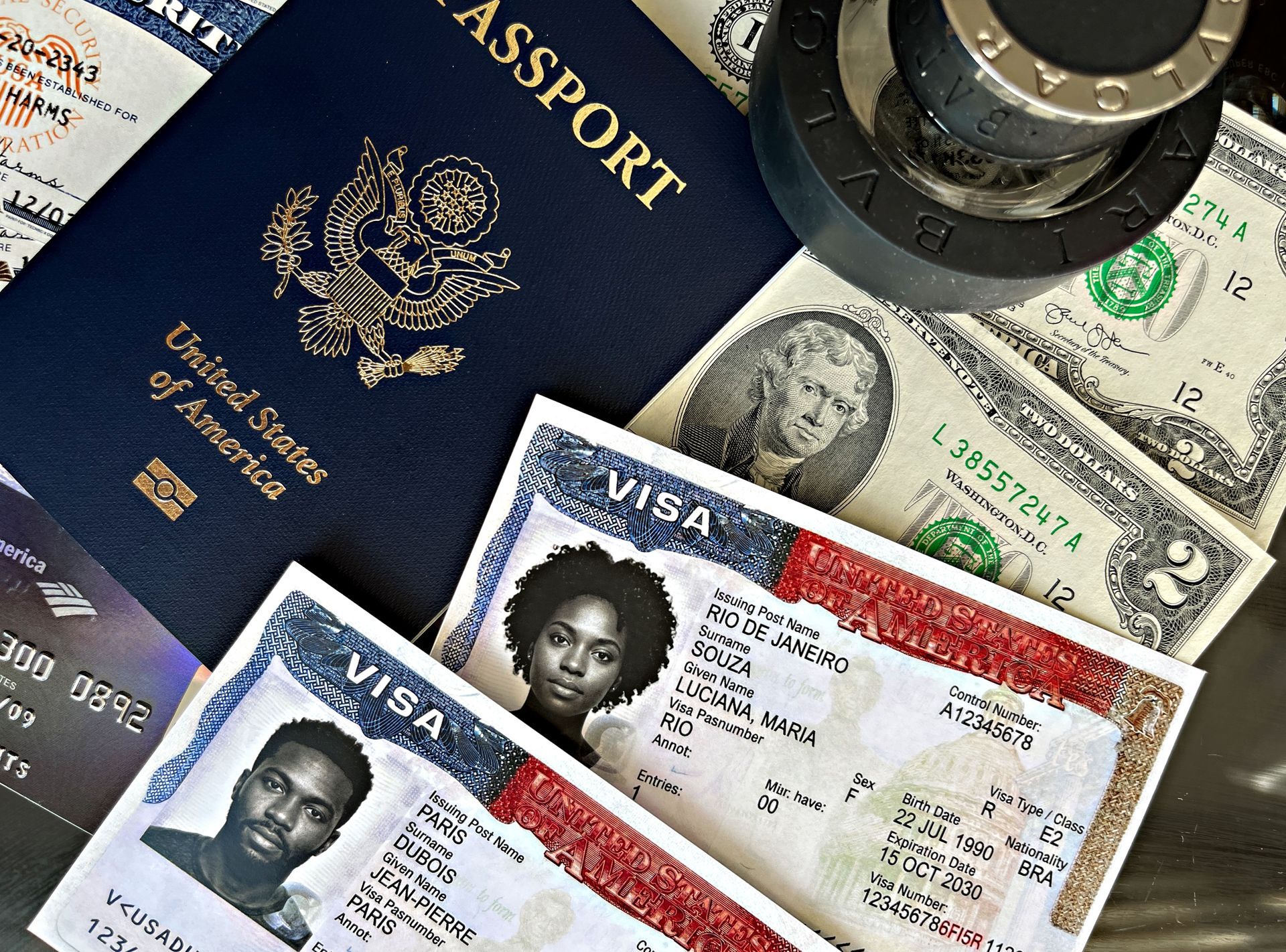
October begins a new federal fiscal year, but that does not mean every green card applicant moves to the front of the line. The Department of State’s October 2026 Visa Bulletin sets out the visa availability that applicants in family-sponsored and employment-based preference categories need to review this month.

Santos Lloyd Law Firm takes great pride in announcing that Partner Flavia Santos Lloyd has been invited to join the Fellows of the American Bar Foundation. As a highly selective global network, the organization recognizes legal professionals across both the public and private sectors who embody the absolute highest standards of the practice. Admission to this distinguished group highlights Flavia’s outstanding legal career, professional integrity, and deep impact on the legal community. Our team celebrates Flavia on this well-deserved recognition!

On September 14, 2026, the U.S. District Court for the District of Massachusetts issued a nationwide preliminary injunction in Presidents' Alliance on Higher Education and Immigration v. U.S. Department of Homeland Security , halting the implementation of the Department of Homeland Security (DHS) final rule that was scheduled to eliminate “duration of status” (D/S) on September 15, 2026. As a result of this nationwide order, DHS is blocked from enforcing fixed periods of admission for F-1 students, J-1 exchange visitors, and I media representatives while the litigation moves forward. Because the current “duration of status” framework remains in full effect, F, J, and I visa holders are not required to file Form I-539 extension of stay applications to remain in valid status beyond program end dates at this time. Furthermore, restrictions on academic transfers, constraints on enrolling in second programs at the same degree level, 240-day caps on continued employment while extensions are pending, and shortened grace periods do not apply during the injunction. F-1 nonimmigrants retain the full 60-day post-completion grace period, and J-1 holders maintain their 30-day grace period. However, please note that this preliminary injunction is not a final ruling invalidating the rule , and a status conference is scheduled for October 2, 2026, to determine next steps in the litigation. Immediate Practice Tips: Inspect I-94 Travel Records Upon Reentry: F, J, and I visa holders currently admitted under D/S retain their status and should continue to be readmitted under D/S following international travel until the injunction is lifted. However, because the I-94 record controls legal stay, travelers must inspect their CBP-issued Form I-94 immediately upon reentry to confirm the "Admit Until Date" states "D/S" rather than a specific expiration date. If a specific date is mistakenly recorded, contact a local CPB Deferred Inspection Site. Notify HR and Review Workplace Compliance: Employers sponsoring F-1 or J-1 employees should inform HR and hiring managers that the September 15 fixed-period rule is postponed and standard D/S rules govern. This development does not alter standard filing windows or Form I-9 verification procedures for post-completion OPT or STEM OPT extensions. Maintain Operational Readiness and Defer Unnecessary Filings: Visa holders and employers should defer travel or filing strategy decisions made solely in anticipation of the fixed-admission rule. Because DHS may appeal or the court could alter the timeline on short notice, institutions and visa holders should maintain readiness to adjust plans if implementation resumes. There are many evolving components to this litigation. If you are an F-1, J-1, or I visa holder, sponsoring institution, or employer, you should proactively coordinate with your international student office and legal counsel to protect your status and monitor upcoming court proceedings.
