

Os cônjuges de portadores dos vistos E e L precisam de autorização de trabalho?
Kyle Huffman • September 15, 2022
Um acordo judicial contra os Serviços de Imigração e Cidadania dos Estados Unidos (USCIS) definiu sobre a autorização de trabalho para cônjuges de certos portadores dos vistos E e L.
Click here to read this article in English
Antes do acordo, cônjuges de alguns portadores dos vistos E e L precisavam aplicar e esperar receber a carteira de autorização de trabalho, para poderem trabalhar nos Estados Unidos. Entretanto, por causa do acordo judicial feito entre o USCIS e uma ação judicial coletiva, processo Shergill v Mayorkas em 10 de novembro de 2021, o USCIS concordou que cônjuges de portadores dos vistos L e E estão autorizados a trabalhar devido ao seu status.
O USCIS emitiu um alerta sobre essa regra, explicando o acordo. As regras para cônjuges de portadores de H1B (vistos H4) não mudaram, mas extensões automáticas da autorização de trabalho para essa categoria de visto são possíveis.
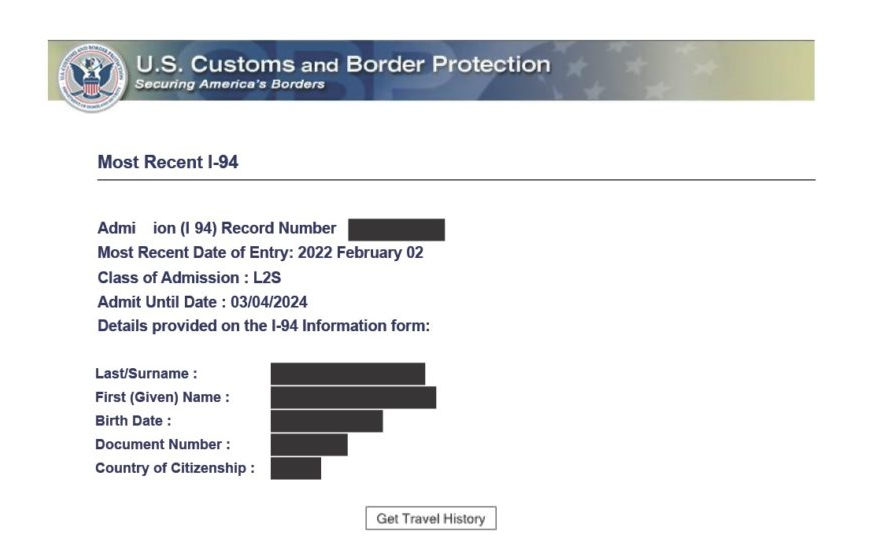
Se você for cônjuge de um portador do visto E, na sua próxima entrada nos Estados Unidos, deverá receber um novo I-94 indicando seu status de cônjuge de portador do visto E, com uma observação “S”. Para os cônjuges de portadores do visto E-1, comerciantes dos países do tratado comercial, o I-94 deverá listar o status do cônjuge como “E-1S”, o mesmo se aplicando para os cônjuges dos vistos E-2 e E-3, dos quais o I-94 mostrará “E-2S” e “E-3S”, respectivamente.
Enquanto esse acordo resultará em um maior acesso a trabalhos por parte de alguns cônjuges de portadores dos vistos E e L, é importante notar que não cobre os filhos dependentes dos portadores desses vistos, que não terão a autorização de trabalho da mesma forma que os cônjuges têm.
Se você tiver alguma dúvida de como isso se aplica ao seu caso, por favor marque uma consulta com um de nossos experientes advogados.
Será um prazer trabalhar com vocês!
Este blog não se destina a oferecer aconselhamento jurídico e nada aqui deve ser interpretado como estabelecimento de uma relação cliente-advogado. Por favor, agende uma consulta com um advogado de imigração, antes de agir baseado em qualquer informação lida neste blog.
This Facebook widget is no longer supported.
Kyle Huffman
Similar Posts

The E-2 Visa is a non-immigrant visa that allows foreign investors from treaty countries to live and work in the United States by starting or purchasing a business. Unlike other visa categories, it does not require a fixed minimum investment amount. Instead, applicants must demonstrate that their investment is substantial and sufficient to ensure the success of their business. The visa is renewable indefinitely as long as the business remains active and meets the necessary criteria, making it an attractive option for entrepreneurs seeking long-term opportunities in the U.S. One of its key advantages is flexibility. Investors can establish a new business, acquire an existing one, or enter into franchise opportunities. Additionally, spouses and children under 21 can accompany the primary applicant, with spouses eligible to apply for work authorization. This makes the E-2 Visa a practical option for business-minded individuals looking to establish themselves in the U.S. market. While the E-2 Visa itself has remained a stable option, shifts in U.S. immigration policies have influenced the application process and overall investor experience. Understanding these changes is essential for anyone considering this pathway. Policy Shifts and the E-2 Visa: Lessons from the Past During the first Trump administration (2017–2021), U.S. immigration policies became more restrictive across multiple visa categories. Although the E-2 program was not directly limited, broader changes had an impact. The "Buy American, Hire American" Executive Order, signed in 2017, led to heightened scrutiny of visa applications, requiring investors to provide stronger evidence that their business would create jobs and contribute to the U.S. economy. This resulted in an increase in Requests for Evidence (RFEs) and denials for those unable to meet these expectations. Another significant change was the suspension of the Interview Waiver Program, which meant all E-2 applicants, including renewals, had to attend in-person interviews at U.S. embassies. This extended processing times and increased scrutiny of applications. Additionally, visa reciprocity agreements were reviewed and adjusted, impacting validity periods and costs for certain countries. For instance, Iranian citizens were deemed ineligible for the E-2 Visa due to the termination of the treaty. These adjustments significantly affected investors from impacted nations, increasing their costs and renewal frequency. Despite these policy shifts, the approval rate for E-2 visas remained relatively stable. According to data from the U.S. Department of State, there were over 43,000 approvals in 2019, reflecting the program’s continued viability. Even in 2020, when the COVID-19 pandemic caused global disruptions, approval numbers remained significant. These figures highlight that while the process became more rigorous, well-prepared investors continued to secure visas by demonstrating strong business plans, substantial investments, and clear economic contributions. What to Expect Moving Forward As the new Trump administration takes shape, further immigration policy changes are likely. While it is too soon to predict the exact impact on the E-2 Visa, past trends suggest increased scrutiny. However, the program itself has remained intact across multiple administrations, reinforcing its reliability for foreign entrepreneurs. Those considering this visa should stay informed and ensure their applications meet evolving requirements. A well-prepared investment strategy, clear documentation, and a defined job creation plan can make a significant difference in navigating any potential policy shifts. Why the E-2 Visa Remains a Strong Choice The E-2 Visa continues to be a resilient and valuable option for foreign entrepreneurs. Even during periods of policy change, approval rates have remained strong for investors with well-structured applications. The ability to renew indefinitely, combined with its flexibility in investment size and business type, makes it one of the most attractive pathways for international investors. With the right preparation, investors can confidently pursue the E-2 Visa, knowing that history has shown its stability even amid shifting political landscapes. By staying ahead of policy changes and ensuring a solid business strategy, entrepreneurs can take advantage of the opportunities the U.S. market has to offer. If you are ready to take the next step toward launching your business in the U.S., you can contact our office for expert guidance and personalized assistance with your application.

The E-2 visa, a valuable pathway for foreign investors seeking to establish or operate a business in the United States. As experienced immigration attorneys, we are here to provide insights and guidance on navigating the E-2 visa process. The E-2 visa is designed to promote foreign investment and enhance economic growth in the United States. It offers a range of benefits for investors looking to reside and work in the country. One of the primary advantages of the E-2 visa is the ability to bring immediate family members, including spouses and children, to the U.S. to live and study. This visa also provides flexibility in choosing business ventures, allowing investors to pursue their entrepreneurial ambitions in a wide variety of industries. To be eligible for an E-2 visa, foreign investors must meet certain criteria. First, they must be a national of a country that has a treaty of commerce and navigation with the United States that includes the E-2 provision. Additionally, they must make a substantial investment in a bona fide U.S. enterprise and demonstrate their intent to develop and direct the business. There is no specific minimum investment amount required for the E-2 visa, but the investment must be proportionate to the total cost of the business. Furthermore, the investment must be at risk and capable of generating income and job opportunities. When applying for an E-2 visa, thorough preparation is key. Investors should gather the necessary documentation, including financial records, business plans, and evidence of the viability and credibility of the enterprise. The application process involves submitting these documents to the U.S. Citizenship and Immigration Services (USCIS) or at a U.S. embassy or consulate in their home country where there will also be a visa interview. Navigating the E-2 visa process can be complex, and there are potential challenges that investors may face. One common challenge is demonstrating that the business is not marginal, meaning that it has the capacity to generate significant income and provide job opportunities. Another important requirement is showing that the investment is at risk, indicating that the investor's capital is committed and subject to potential gain or loss. Additionally, there may be treaty interpretation issues that require careful analysis and expertise. Given the complexities of the E-2 visa process, seeking professional legal guidance is crucial. An experienced immigration attorney can assess an investor's eligibility, help strategize the investment plan, and navigate potential challenges. We can provide personalized guidance, ensuring that all necessary documentation is in order and that the application is strong and compelling and that you are prepared for your consular interview. If you are interested in learning more about the E-2 visa contact our office. We look forward to working with you.

In years past, spouses of certain E and L visa categories were required to apply for and receive an Employment Authorization Document in order to work in the United States. However, as the result of a settlement reached by USCIS in the class action lawsuit Shergill v. Mayorkas on November 10, 2021, USCIS now considers E and L dependent spouses to be authorized for employment incident to their status.

E-2 visas are one of the most popular business visas for entrepreneurs wanting to come start a business in the United States.
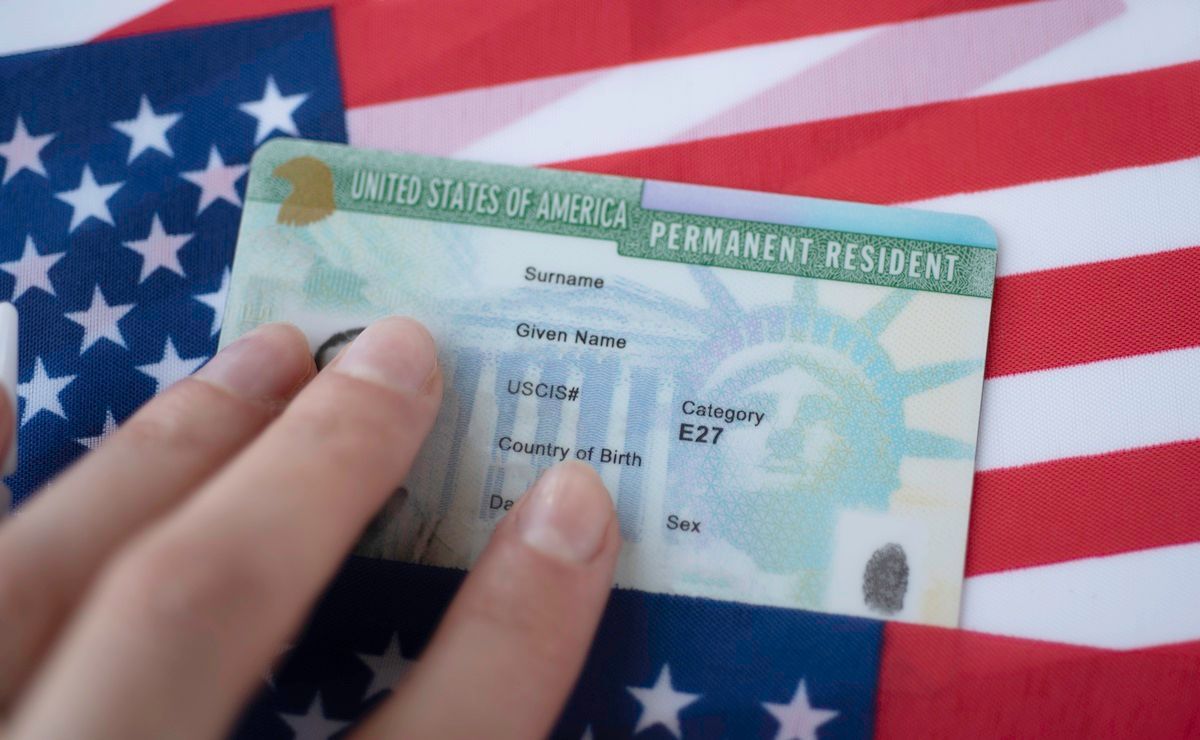
Receiving a two-year green card through marriage is an important step, but it leaves another process ahead: removing the conditions on permanent residence. For couples preparing a joint Form I-751 petition, understanding the filing window and organizing evidence early can make the preparation more manageable. The starting point is your own record. Locate the green card, the notice granting residence, and copies of the earlier immigration filing. Check the date conditional residence began and the card’s expiration date. Do not calculate the next deadline solely from your wedding anniversary or the date an attorney first submitted your case. Understand the joint filing window Under 8 CFR 216.4 , a joint I-751 petition generally must be filed during the 90-day period immediately before the second anniversary of obtaining conditional permanent residence. This is a window before that anniversary, not an additional 90 days after the card expires. Preparing early and filing early are different things. You can begin gathering records well before the window opens, while coordinating the correct submission date with your attorney. A joint petition also requires the appropriate signatures, fee, and supporting documentation. Confirm the current form instructions, accepted filing method, and applicable fee when the case is ready to submit. Build a record of the marriage over time The regulation identifies several types of evidence that may help show the marriage was not entered into to evade immigration law: jointly owned property, a lease for a shared home, combined financial resources, children’s birth certificates, and statements from people with personal knowledge of the relationship. These examples do not mean every couple must have a mortgage, joint accounts, or children. The evidence should accurately reflect your circumstances. A clear explanation of how you manage your household can be more useful than forcing your relationship into a checklist that does not fit. As a practical preparation step, organize records by date and type. Review whether they help explain the course of the marriage, rather than collecting only documents created shortly before filing. Flag separate addresses, name changes, or gaps in the records for your attorney. Never alter a document to make the history appear simpler. Tell your attorney if circumstances change This article addresses joint filing. Divorce, the death of a spouse, abuse, or other significant changes may require a different filing basis or an individualized assessment. Separate waiver provisions exist, with their own requirements. A spouse’s unwillingness to sign does not, by itself, establish eligibility for every waiver. Do not assume that the joint 90-day window answers every question about a non-joint case. If the relationship changes while preparing the petition or while it is pending, inform counsel promptly. You should not need to invent a continuing relationship to seek advice about the options that may actually apply. Keep tracking the case after submission The regulation provides that conditional resident status is automatically extended, when necessary, upon receipt of a properly filed I-751 until adjudication. Proof of that status is a separate practical matter: keep the receipt notice and have counsel review its wording before relying on it for travel or employment documentation. This article does not promise a particular receipt-extension period or processing time. A missed deadline calls for prompt legal attention. The regulation allows some late joint filings where USCIS accepts a written showing of good cause, but acceptance is not automatic. Do not assume a late petition cures the problem without further review. Santos Lloyd Law Firm, P.C. can help you assess the filing window, organize relevant evidence, and identify changes that may affect your I-751 strategy. Contact the firm early enough to review the facts before the deadline approaches.
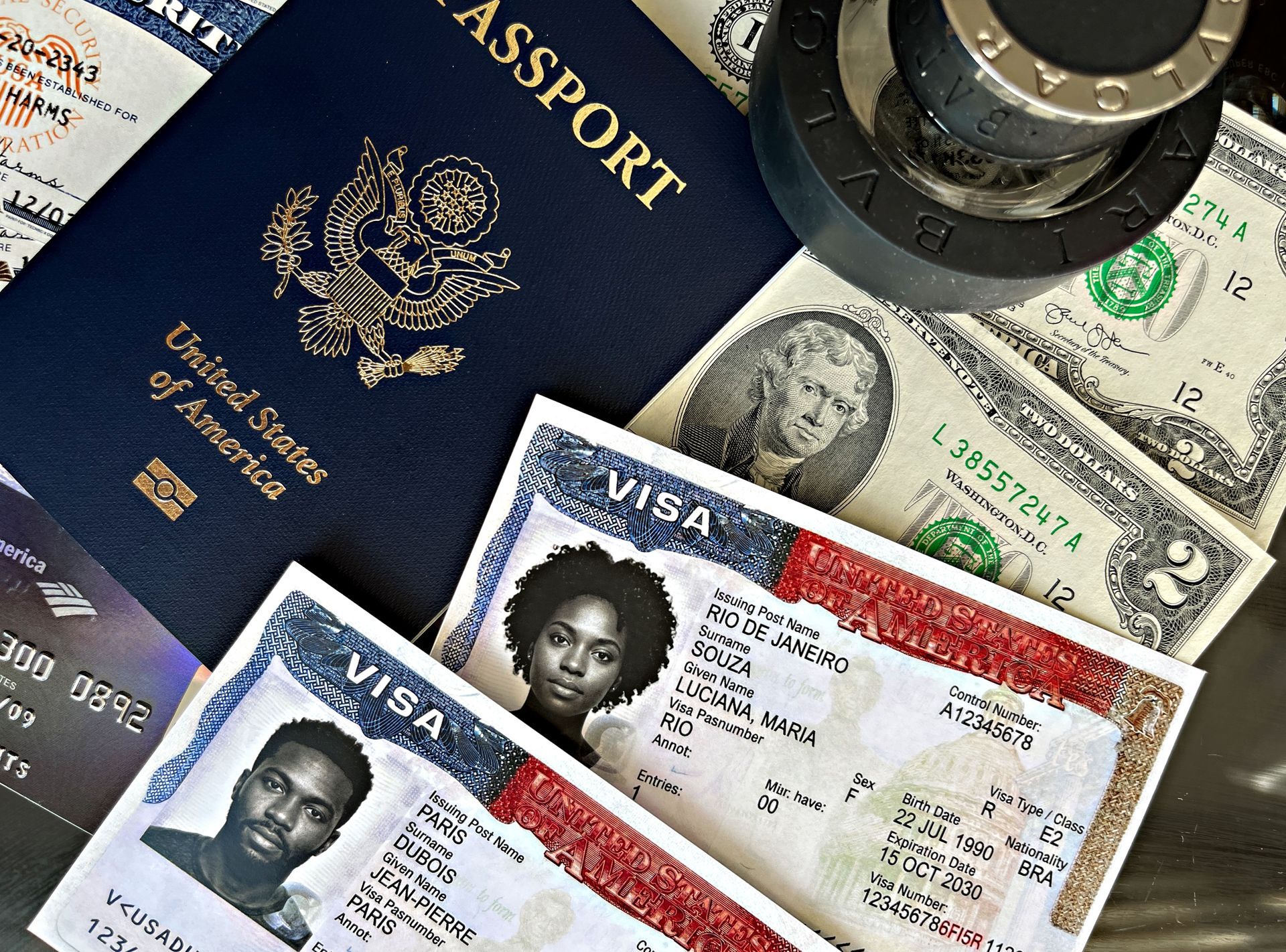
October begins a new federal fiscal year, but that does not mean every green card applicant moves to the front of the line. The Department of State’s October 2026 Visa Bulletin sets out the visa availability that applicants in family-sponsored and employment-based preference categories need to review this month.

Santos Lloyd Law Firm takes great pride in announcing that Partner Flavia Santos Lloyd has been invited to join the Fellows of the American Bar Foundation. As a highly selective global network, the organization recognizes legal professionals across both the public and private sectors who embody the absolute highest standards of the practice. Admission to this distinguished group highlights Flavia’s outstanding legal career, professional integrity, and deep impact on the legal community. Our team celebrates Flavia on this well-deserved recognition!
